
















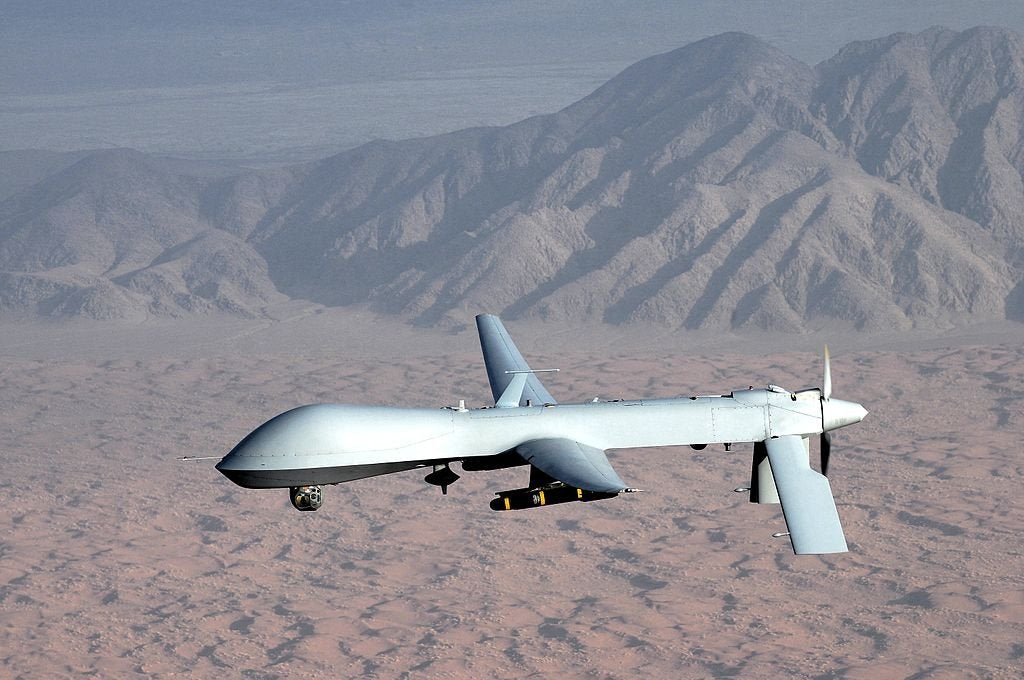
The Air Force has been plagued by high numbers of drone crashes in recent years amid fast-growing demand for the unmanned systems, mostly overseas. Twenty drones were damaged or destroyed last year, the highest number yet, according to a Washington Post report this week. The latest model – the $14 million, 2 1/2-ton Reaper made by General Atomics – was found to have a defective starter-generator system, which is still undergoing fixes, according to the report. As described in one 2014 incident, a Reaper armed with weapons had a failure and, lacking the power to return to home base, was intentionally crashed into a mountain near Kandahar Air Base in Afghanistan.
Losing or damaging heavy-duty drones isn’t a new problem for the military. The Reaper’s predecessor, the Predator, has suffered heavy losses at about $4 million apiece. Of the 269 purchased by the Air Force, roughly half remain and the model is set to be retired by 2018, according to the report. Meanwhile, the demand for military drones continues to climb. The Air Force, struggling to keep up due to a drone pilot shortage, is offering six-figure retention bonuses while farming out more work to contractors, the Post found.

