
















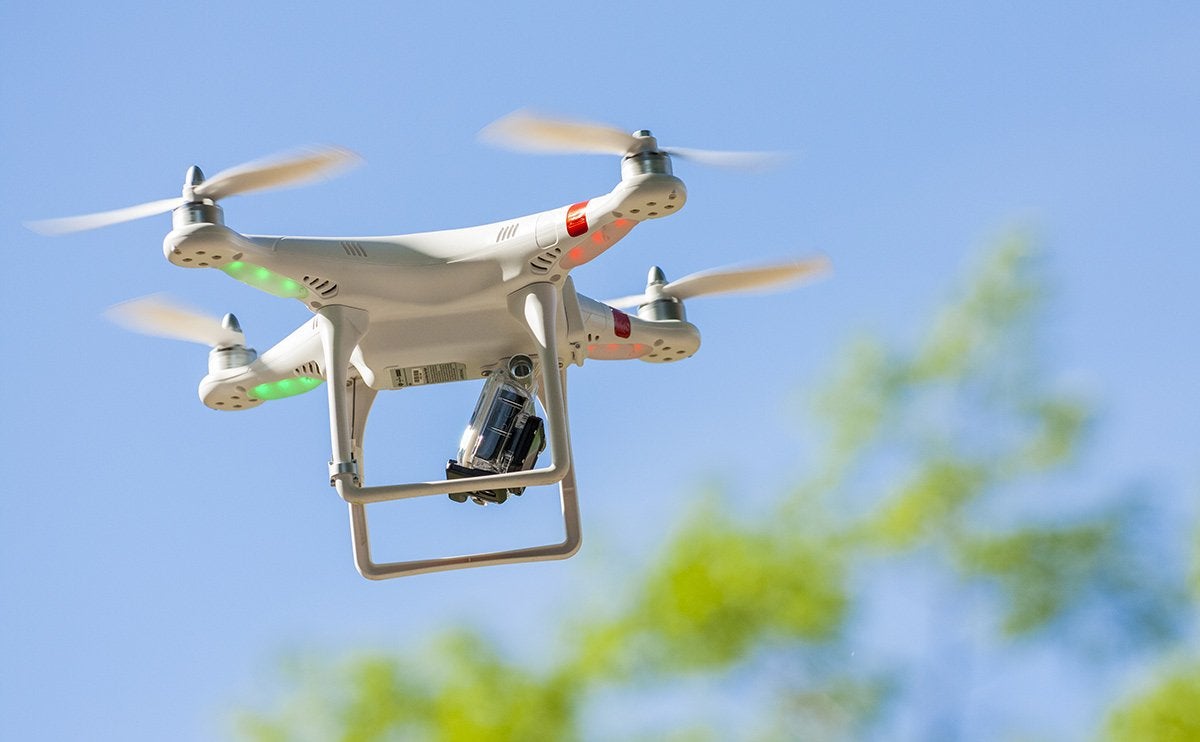
Transport Canada has released the details of its new rules governing the commercial use of unmanned aerial systems. As we reported last month, the agency, the equivalent of the FAA, announced a significant liberalization of so-called “low threat” UAS operations. Those were generally described as line-of-sight operations below 300 feet in rural areas away from airports by UASs weighing less than 4.4 pounds and up to 55 pounds. The advisory circular fills in the blanks, explicitly laying out the responsibilities of owners and operators and acknowledging operational circumstances in which some compromise is appropriate. It also clearly shows that Canada isn’t requiring UAS pilots to be licensed per se, but they do have to complete a ground school course to fly the larger class of UAS.
The so-called “knowledge requirements” were released in September and cover airspace, air law, weather and NOTAMs. Some Canadian flight schools have started UAS pilot courses, some of them online, which is legal under the new regs. There are also age limitations. Commercial UAS pilots have to be at least 18, although in “academic” environments, 16-year-olds can fly the smaller UASs with adult supervision.

