
















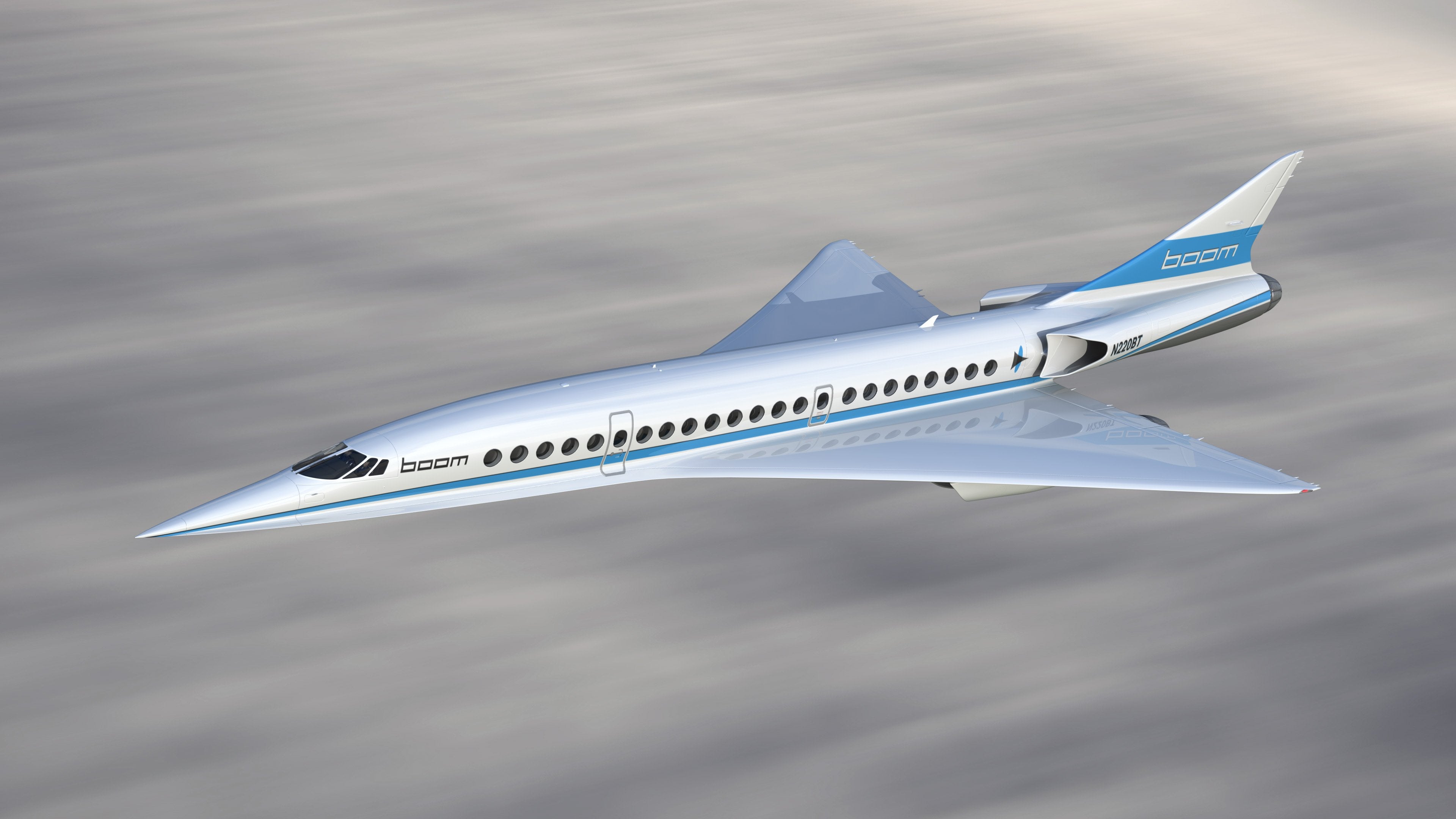
The House and Senate versions of the FAA reauthorization bill, while they famously differ on whether to privatize the national airspace system, agree that the FAA should study its current prohibition on supersonic flight in U.S. civil airspace. Supersonic flight by civil aircraft is only permitted in the United States either over water or in military operations areas (MOAs)—and in MOAs only with the permission of the controlling military authority. Although the bills differ, both will require reports to Congress on the feasibility of liberalizing supersonic flight.
These congressional requests from the FAA are likely spurred by those who believe the U.S. is on the cusp of a renaissance for civil supersonic flight. Boom and Aerion are both developing supersonic civil aircraft they expect to bring to market in the next decade. Both companies are promising radically lower noise signatures than that produced by the Concorde, which proved to be much too loud for operation over populated areas. NASA, together with contractor Lockheed Martin, is also making headway with a low-boom supersonic demonstration project.

