
















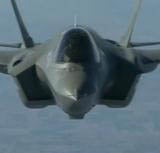
In 2008, the GAO estimated (PDF) the cost of buying and operating 2,443 F-35 fighter jets at $1 trillion, and this month The Atlantic magazine noted that fleet would represent a force 20 times larger than Russia’s at a cost larger than Australia’s GDP. Estimating the cost of a jet is difficult and varies widely — in part because some estimates factor in design development and future maintenance costs, while others assign single-unit purchase price to the final product. We’ve seen estimates range from $60 million to $300 million per copy. Whatever the case, the cost is already significant and many participating nations are struggling with budgetary constraints and applying fiscal conservatism, which could force the price per unit up. But not everyone agrees.
One argument is that per-year production levels are likely to drop due to constraints on national budgets. That, says the argument, will translate to less money set aside for production, putting a constraint on the number of copies produced per year. That would lead to delivery delays and could also lead to a direct reduction in orders, which would further increase per-unit costs. The situation already appears to be playing out, to some degree. As the aircraft’s costs have continued to rise, some countries are dialing back their orders. Opponents to the theory argue that the entire premise of high costs is overblown, that the Pentagon’s cost estimates are well above negotiated prices for production lots of the aircraft, and that the flyaway cost will be similar to that of the latest F-16 and F/A-18 fighters. Whatever happens, countries that continue to invest in other development programs (i.e., the U.S.) will continue to produce newer competitive technology (think X-47B unmanned combat aircraft). And that technology will ultimately make the F-35, which currently seems set for a slower or delayed rollout, inferior or obsolete. As for the actual cost of the program, that remains to be seen.
Related Content:

