















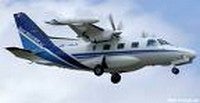
 The FAA has adopted a final rule that imposes standardized training requirements and operational procedures aimed at curbing an increase in the number of accidents by Mitsubishi MU-2B aircraft. The aircraft, which use spoilers for roll control rather than ailerons, were involved in a spate of accidents in 2004 and 2005, prompting calls by some to ground the fleet. Defenders of the ubiquitous freight hauler argued there was nothing inherently wrong with the airplane, but agreed pilots needed to understand its quirks. The FAAs response is a Special Federal Air Regulation that creates a common training regimen for pilots new to the high-wing twin turboprop. Theres also a new standardized cockpit checklist and the requirement that all aircraft have the revised Airplane Flight Manual. Finally, the autopilot has to be working on all flights except in certain (rare) special conditions. The FAA studies enormous amounts of data looking for trends, FAA Associate Administrator for Aviation Safety Nick Sabatini said in a news release. When we saw the rising accident rate for the MU-2B, we decided to take appropriate actions to bring the plane up to an acceptable level of safety.
FAA Adopts MU-2B Standards

Key Takeaways:
- The FAA adopted a Special Federal Air Regulation (SFAR) to address a rising accident rate involving Mitsubishi MU-2B aircraft.
- The SFAR mandates standardized training requirements for pilots, a new standardized cockpit checklist, and a revised Airplane Flight Manual.
- It also requires the autopilot to be functional on nearly all flights to improve operational safety for the unique aircraft.
See a mistake? Contact us.

