
















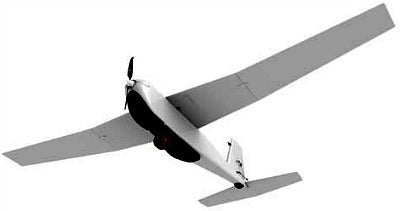
The FAA said on Friday it has issued its first restricted category type certificates to two unmanned aircraft systems. The approval is “a milestone that will lead to the first approved commercial UAS operations later this summer,” the FAA said. The two systems are small — Insitus Scan Eagle X200 weighs about 44 pounds and AeroVironments hand-launched Puma weighs just 13 pounds. Each is about 4.5 feet long, with wingspans of 10 and 9 feet, respectively. “The major advantage of having type-certificated UAS models available is that they can be used commercially,” the FAA said. The type certificates will permit the use of the aircraft for aerial surveillance.
The FAA said an energy company plans to fly the ScanEagle off the Alaska coast in international waters starting in August. The UAS will be launched from a ship and conduct surveys of ocean ice floes and migrating whales in Arctic oil exploration areas. The Puma is expected to support emergency response crews for oil-spill monitoring and wildlife surveillance over the Beaufort Sea. “Issuing the type certificates is an important step toward the FAAs goal of integrating UAS into the nations airspace,” the FAA said. Until now, obtaining an experimental airworthiness certificate-which specifically excludes commercial operations-was the only way the private sector could operate UASs in the nations airspace.

