
















The new H80 turboprop engine from GE Aviation, which was certified in March, has spawned two derivative engines, the company said last week. The H75 will be rated at 750 shaft horsepower (shp) for takeoff and maximum continuous operation, and the H85 engine will be rated at 850 shp. Both should be certified by FAA and EASA early next year, GE said. The new models are designed for the agricultural, commuter, utility and business turboprop aircraft segments. “The H80 turboprop has been extremely successful for us,” said Paul Theofan, of GE. “We anticipate the same level of interest for the H75 and H85.” The engines will be manufactured at GE’s facility in the Czech Republic.
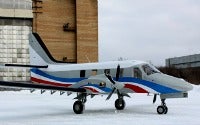
Production of the H80 is already underway, with 50 engines to be built this year, and more than 100 scheduled for next year, the company said. The H80 will power the Thrush 510G agricultural aircraft, Aircraft Industries’ new L410 commuter airplane, and Technoavia’s new Rysachok twin. The company hasn’t yet announced any customers for the new models. “There are several potential aircraft applications that could benefit from these two new engine models,” Theofan said.

