
















The Department of Homeland Security has decided not to extend the ban on laptops, currently affecting only flights originating from one of ten Middle Eastern and African airports, to all U.S.-bound flights, choosing instead to require “enhanced” checkpoint screening and other unpublished security measures. According to the DHS fact sheet on the new screening methods, “The United States and the global aviation community face an adaptive and agile enemy. Terrorist groups continue to target passenger aircraft, and we have seen a ‘spider web’ of threats to commercial aviation as terrorist [sic] pursue new attack methods. Based on these concerns, the Department of Homeland Security (DHS) is working to raise the baseline of global aviation security to keep the traveling public safe, in coordination with our international partners.”
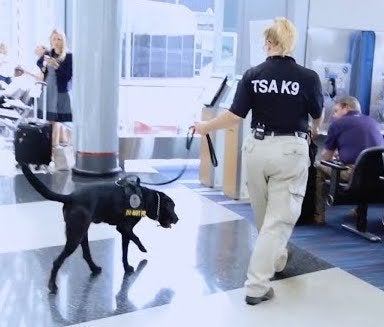
DHS officials declined to provide much substance about what exactly the enhanced security measures will entail. Passenger screening will be “enhanced,” screening of personal electronic devices “heightened,” “advanced technology deployed” and canine screening “expanded.” The new screening methods will apply to 2,100 flights and 325,000 passengers arriving in the United States daily.

