
















Large-scale drones could safely fly in the National Airspace System by using ADS-B technology, according to NASA researchers. The agency said recently it has developed a patent-pending integrated communications and control system that’s capable of collision warnings as well as real-time traffic and weather updates. Vigilant Aerospace Systems has recently signed a licensing agreement with NASA to develop the system. “One of the major advantages of this system is that it uses existing FAA infrastructure to help keep drones away from other aircraft,” said Kraettli Epperson, CEO of Vigilant. “It also gives nearby aircraft the ability to be aware of the drone and improves situational awareness for the drone operator.”
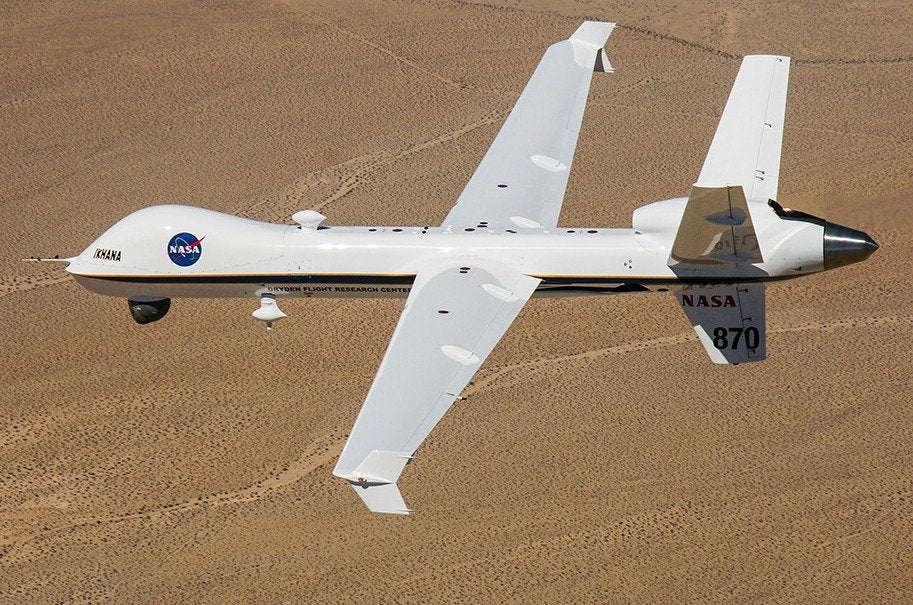
Vigilant intends to commercialize the technology as part of its new FlightHorizon product suite, NASA said, and will equip both manned and unmanned aircraft with the hardware and software. The system provides synthetic cockpit views and detect-and-avoid commands to improve flight safety for all kinds of aircraft. The technology has been tested extensively on Armstrong’s remotely piloted aircraft Ikhana Predator B. “We were excited about licensing this technology because we see the potential for these particular inventions to not only make significant contributions to flight safety for both unmanned and manned aircraft but also to be a platform technology for the future of flight automation,” said Epperson.

