
















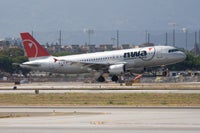
The NTSB has completed its investigation into last year’s errant Northwest Airlines flight, finding the crew at fault for failing to monitor their position, but also concluding that air traffic control should do a better job of reacting to NORDO (no radio communications) events. The two pilots overflew their destination airport of Minneapolis by more than 100 miles and failed to maintain radio communications because they were distracted by a conversation about crew scheduling. However, the safety board said this incident and a fatal accident involving a Pilatus PC-12/45 that crashed in Montana on March 22, 2009, revealed problems with ATC procedures. In its safety recommendations, the board said the FAA should addressthe lack of standard procedures for identifying flight crew-ATC communications in ATC facilities that use automated flight tracking systems, and the lack of standard phraseology for identifying the emergency nature of emergency ATC radio transmissions.
The NTSB found that the lack of national requirements for recording ATC instructions when using automated flight tracking systems, such as directing an aircraft to switch frequencies or to indicate that an aircraft has checked in on an assigned frequency, was a factor in the controllers’ delay in performing necessary actions and notifications required by lost communications procedures. In addition, because NORDO events of a short duration are not uncommon, the safety board found that controllers and managers may have become complacent in their response. Click here for the NTSB’s probable-cause report, or click here for the safety recommendation letter (PDF). Recent accidents and incidents such as the midair collision over the Hudson River last August, Colgan Air Flight 3407, and the Northwest pilots’ overflight of the Minnesota airport have demonstrated the clear hazards to aviation safety when pilots and air traffic controllers depart from standard operating procedures and established best practices, the NTSB said. To follow up on those concerns, the board will convene a three-day public forum, May 18-20, on professionalism in aviation to address methods for ensuring excellence in pilot and air traffic controller performance.The forum will promote an open discussion between the NTSB and invited panelists drawn from industry, labor, academia, and government.

