
















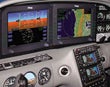
Pilots need more training in the use of glass cockpit technology, the NTSB said this week. The safety board issued six recommendations (PDF) to the FAA as a follow-up to a recent report that found advanced cockpits are not helping to prevent accidents in the general aviation fleet. “Advanced avionics and electronic displays can increase the safety potential of general aviation aircraft operations,” the NTSB says, “…but more effort is needed to ensure that pilots are prepared to realize that potential.” The safety board said the FAA can take several steps to help improve the impact of the technology.
The FAA should revise airman knowledge tests to include questions about using electronic flight and navigation displays, the board said. Also, manufacturers should provide more information about how to deal with system problems. All FAA training materials for pilots should include information about electronic primary flight displays, and their operation should be part of pilot proficiency requirements. The use of simulators and trainers for meeting training requirements needs to be clarified, the board said. Also, the FAA should inform maintenance technicians who work on the displays that it’s important for them to file service difficulty reports about any malfunctions or defects they find in electronic primary, flight, navigation and control systems. The FAA now can consider the recommendations and respond to the NTSB when it’s ready.
Related Content:
- AVweb‘s Glenn Pew talks with NTSB Chairman Deborah Hersman about the glass-cockpit study; click here to listen to the podcast.
- AVweb Editorial Director Paul Bertorelli says it’s no surprise to him that glass doesn’t improve safety. click here to read his analysis and the ensuing discussion.

