
















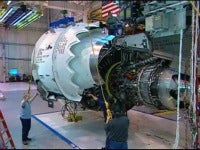
The NTSB has issued an urgent safety recommendation letter urging the FAA to “act immediately” to order the inspection of 47 new General Electric GEnx-2B engines in service on Boeing 747-8 aircraft because it’s afraid of a potential multiple engine failure on the brand-new aircraft. The board issued the letter after an engine failure on a 747-8F during takeoff roll in Shanghai last week. Preliminary information suggests the cause is cracking similar to that found in two GEnx-1B engines used in Boeing 787 aircraft. The 2B model of the engine used in the 747-8 is a little longer but the suspect components are the same. In one of the cases involving the 787 model engine, a fan midshaft crack destroyed a 787 engine on its first ground run at Boeing’s factory in Charleston, S.C. Another crack was found in a 787 engine that had only ever been test run. All the 787 engines have been inspected but those on 11 in-service 747 freighters and the remaining three on the Shanghai aircraft have not.
In the Shanghai incident, the Russian Air Bridge Cargo aircraft’s number-one engine lost power as the plane accelerated through 50 knots on its takeoff roll. The pilot rejected the takeoff and returned to the ramp. An inspection revealed damage similar to that of the 787 engines. The Shanghai engine had about 1,200 hours on it. Metallurgical tests have determined the cracks on the 787 engines are not fatigue related but are “typical of environmentally assisted cracking,” which can occur at low stress levels and is related to corrosion from operation in a moist environment.

