
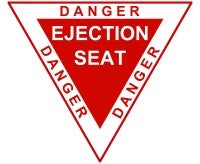
The FAA needs to do a better job of making sure first responders to general aviation accidents are informed about explosive devices in aircraft, the NTSB said last week. In a safety recommendation letter (PDF), the safety board cited several incidents when a GA aircraft crashed and emergency workers were unaware that ejection seats or ballistic parachutes in the airplane contained explosives. Placards on the aircraft are inadequate, the NTSB said, because they may be missing, or responders might not notice them, or they may be damaged, lost or burned in a crash. The board said a better solution would be for the FAA to require information about explosives to be included in each aircraft’s registration data. First responders should then be informed that they can easily find this information online.
The NTSB cited several examples of crashes that exposed responders to potential hazards. In January, an Aero Vodochody L39C with two ejection seats crashed and burned in Alabama. The first responders didn’t see any placards on the airplane to warn them about the explosives on board. An NTSB investigator warned the first responder, a law enforcement officer, over the phone, about the potential for explosive devices. The board cited several other incidents involving LSAs and Cirrus aircraft as well as aerobatic airplanes. Besides ballistic chutes and ejection seats, the board said inflatable restraints, such as airbag systems that are incorporated into seatbelts and shoulder harnesses, should also be noted in the registration data. These systems are powered by a cylinder of compressed gas, at pressures up to 6,000 psi, that is stored under the seats.