
















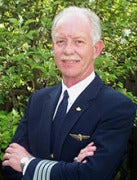
As expected, the NTSB determined on Tuesday in wrapping up its investigation into last year’s “Miracle” landing on the Hudson that the probable cause of the accident was the ingestion of large birds into both engines, causing an almost total loss of thrust. A slew of factors contributed to the positive outcome, including effective crew resource management, the fact that the aircraft happened to be equipped for overwater flight although it was not required to be, the performance of the cabin crew in facilitating the evacuation, and the proximity of rescuers. Twenty-four safety recommendations followed, including the need for better engine-monitoring technology; better emergency checklists; training for dual-engine loss at low altitude; better training for ditching scenarios; and more research into bird-deterrence technology. “What’s important here is how to protect future passengers and help future flight crews should they end up in a situation like this,” said NTSB chairman Deborah Hersman.
That said, the board’s recommendations included a list of things that went wrong and could be improved in the future. For example, since few of the passengers had paid attention to the preflight safety briefing, perhaps better ways can be developed to impart the information. Also, the brace positions that are now recommended may have contributed to shoulder injuries in some passengers.

