
















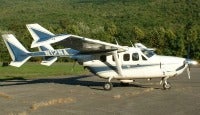
The NTSB says a high-speed pitch-up “consistent with an ostentatious display” snapped the wing of a Cessna 337 and resulted in the deaths of all five people onboard at Farmingdale, N.J., on Feb. 15, 2010. The board also said data recovered from the Skymaster’s GPS showed the aircraft was going about 160 knots when witnesses reported it pitched up steeply. The aircraft was placarded with a maximum maneuvering speed of 135 knots. But while the pilot’s “failure to adhere to the airplane’s operating limitations” was the official cause of the crash, the NTSB also said a lack of oversight by the FAA on the interaction of multiple STCs on the crash plane may have played a role.
The aircraft had been heavily modified with 22 STCs ranging from tip tanks and winglets to a STOL kit. The board said “the adverse effects of multiple supplemental type certificates (STC) to the airframe wing structure that were not evaluated at the time the STCs were installed and the lack of guidance by the Federal Aviation Administration for multiple STC interaction evaluation” was uncovered in the investigation. The crash killed three adults and two children.

