
















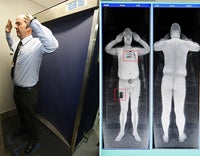
Friday, the TSA announced that airline pilots will see immediate modifications to their airport checkpoint screenings, but it appears it will be next year before they can bypass scanners, or full-body pat-downs. The near-term changes have not been revealed in detail, but apply to pilots traveling in uniform or on airline business, according to the Associated Press. In the new year, pilots will pass through security following a standard process (yet to be determined) likely to be based on a computer check of their airline-issued ID cards. “This one seemed to jump out as a common-sense issue,” TSA head John Pistole said. “Why don’t we trust pilots who are literally in charge of the aircraft?” Pilots have been wondering the same thing. But not everyone is happy.
Cabin crew represented by the Association of Professional Flight Attendants are so far “extremely disappointed” to have been bypassed in the initial agreement. Crew unions will be fighting to win modified procedures for their members, too. For pilots, some details (including any associated costs) have yet to be ironed out. The TSA is insisting that the standards for pilots be national, and airlines and pilots still need to agree on which systems and standards they will use. Costs associated with the program are expected to fall to computer and Internet-related charges. Pilot unions are already pushing for government funding or employer support to cover the program’s costs.

