














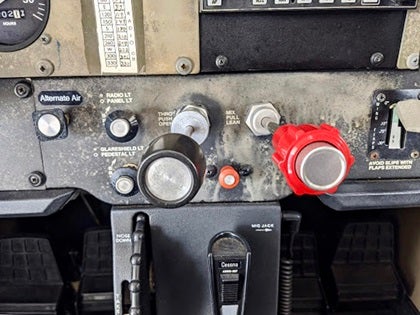

AOPA is warning aircraft operators to be careful in choosing the disinfectants used to keep aircraft COVID-19 safe. A Florida flight school had to remove the instruments and switches and resurface the panels of two Cessna 172s after a well-meaning renter used ethanol-based sanitizer to clean the yokes of the aircraft. The overspray hit the panel and damaged the paint on the panel of the aircraft owned by Atlas Aviation in Tampa. The client got the disinfectant from a distillery and used it despite the school supplying safe disinfectant wipes and instructions on how to use them, according to AOPA.
Ethanol can play havoc with rubber seals, shellacked surfaces and plastic parts in airplanes and vehicles and is not recommended for those uses. Many items used by pilots can be harmed by ethanol, including tablets, portable GPSs and touch screens. Avionics manufacturers recommend using disinfectants that use isopropyl alcohol and don’t contain any ammonia.
