
















A Government Accountability Office (GAO) report released Wednesday detailed a series of issues facing electric aircraft deployment, including limited airport infrastructure, questions over future airport revenue and concerns from manufacturers over FAA staffing and certification standardization.
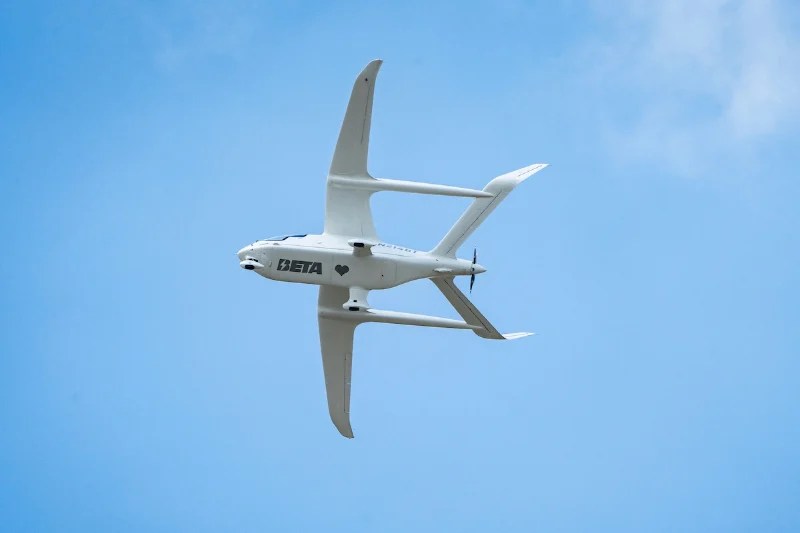
According to GAO, 47 U.S. airports had identified electric aircraft charging stations on airport layout plans as of December 2025, with 43 of those airports classified as nonhub or smaller facilities. GAO said 34 of the 47 airports were part of BETA Technologies’ charging network, which the company reported had 52 active airport charging stations and another 32 in progress. One airport told GAO the electrification portion alone for a planned vertiport would be in the $2 million range.
The report also noted that airports are weighing how electric aircraft could affect revenue currently tied to traditional fuel sales. Officials from one state transportation department told GAO that airports could use an electric charge fee similar to a fuel flowage fee, while the American Association of Airport Executives has urged Congress to ensure new operators pay toward air traffic control services and infrastructure.
Airports and other stakeholders also cited electricity availability, charger selection, firefighting guidance and airspace management as issues still being evaluated.
“We have previously reported on the chicken-or-egg dilemma associated with emerging industries such as Advanced Air Mobility, in which stakeholders may be hesitant to invest resources in services and facilities to support aircraft before they are certificated, even though the success of the industry depends on such investment,” GAO said in the report.
Electric propulsion remains a small portion of FAA’s certification work, with 23 of 16,788 certification projects received since 2018 involving electric propulsion. Manufacturers and an aviation engineering services company cited limited FAA electric-propulsion expertise, limited standardization and a lack of delegation as challenges in the certification process.


0 replies