















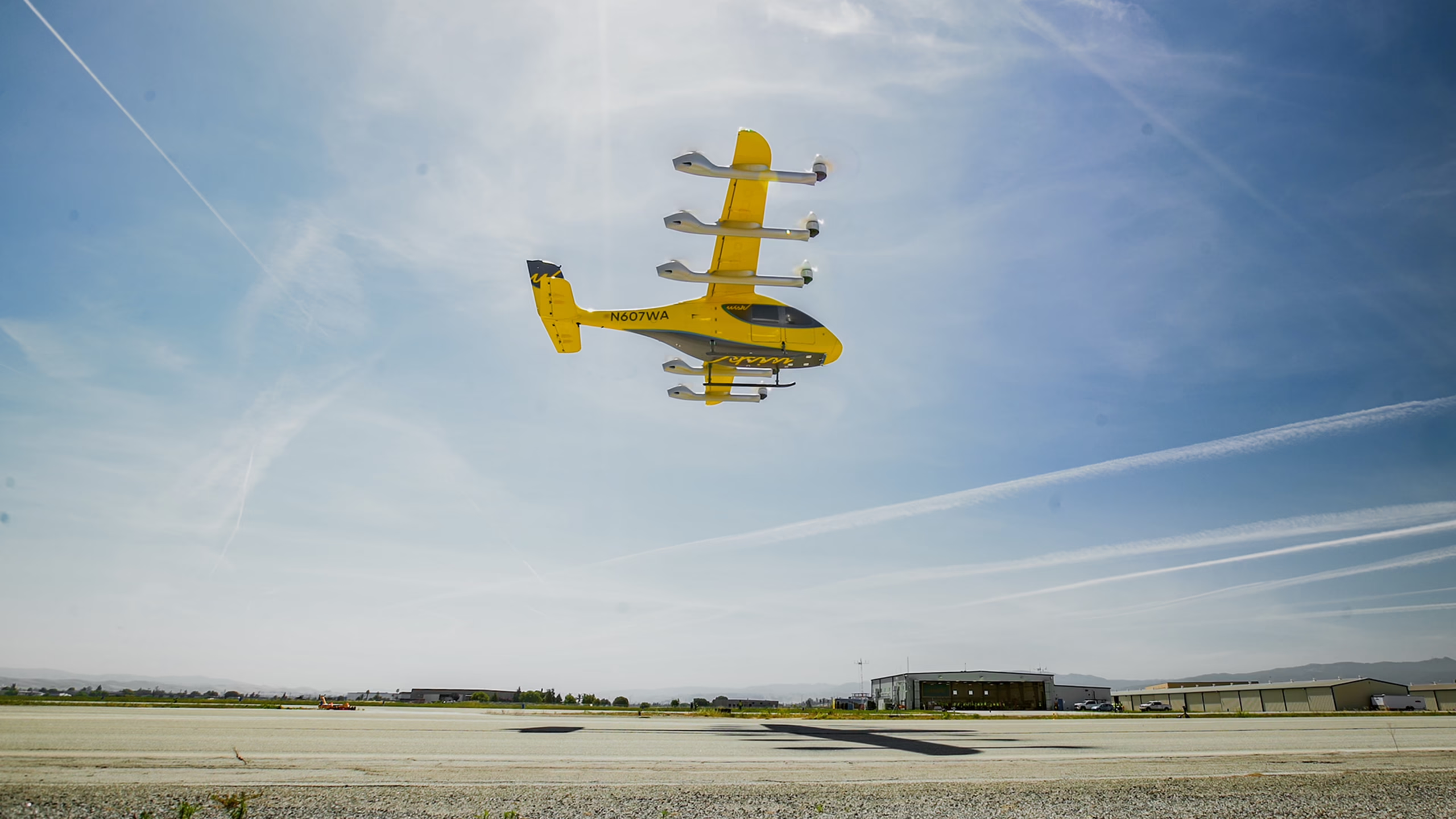

Second Wisk Gen 6 Aircraft Begins Flight Testing

The second aircraft will support flight envelope expansion and systems validation.

Second Wisk Gen 6 Aircraft Begins Flight Testing
[Credit: Wisk Aero]
Gemini Sparkle

Key Takeaways:

  • Wisk Aero, a Boeing subsidiary, successfully conducted the first flight of its second Generation 6 autonomous eVTOL aircraft, adding to its test program.
  • The Gen 6 is an all-electric, autonomous eVTOL designed for air taxi operations with human oversight from a ground-based operator.
  • With two Gen 6 aircraft now in testing, Wisk aims to accelerate data collection, expand the flight envelope (including hover-to-wing-borne transitions), and refine control systems.
  • This milestone is a significant step towards Wisk Aero's goal of certifying and delivering an autonomous air taxi service.
See a mistake? Contact us.

Wisk Aero, a Boeing subsidiary, said Monday that it flew its second Generation 6 aircraft for the first time, adding another test vehicle to the company’s autonomous eVTOL flight test program. The Gen 6 is an all-electric, autonomous eVTOL aircraft the company says is designed to operate with human oversight from a ground-based operator.

The flight took place at Wisk’s test facility in Hollister, California, and included a vertical takeoff, hover and chirp maneuvers, according to the company. The first Gen 6 aircraft began flight testing in mid-December.

“Seeing the second Gen 6 aircraft take to the skies is a proud moment for Wisk,” Wisk CEO Sebastien Vigneron said. “This pace of execution is exactly what is required to meet the rigorous safety standards of commercial aviation. Having multiple aircraft in flight testing allows us to move faster, learn quicker, and stay on the leading edge of autonomous aviation. Every flight provides crucial data that matures our aircraft and autonomous system, bringing us one step closer to delivering a certified, autonomous air taxi service.”

With two Gen 6 aircraft now in testing, Wisk says the program will focus on expanding the aircraft’s flight envelope, including transitions from hover to wing-borne flight, as well as refining control laws and system performance.


Matt Ryan

Matt is AVweb's lead editor. His eyes have been turned to the sky for as long as he can remember. Now a fixed-wing pilot, instructor and aviation writer, Matt also leads and teaches a high school aviation program in the Dallas area. Beyond his lifelong obsession with aviation, Matt loves to travel and has lived in Greece, Czechia and Germany for studies and for work.
Sign-up for newsletters & special offers!

Get the latest stories & special offers delivered directly to your inbox

SUBSCRIBE

Please support AVweb.

It looks like you’re using an ad blocker. Ads keep AVweb free and fund our reporting.
Please whitelist AVweb or continue with ads enabled.