
This week, the National Transportation Safety Board (NTSB) issued a safety alert warning pilots of the dangers posed by dust devils.
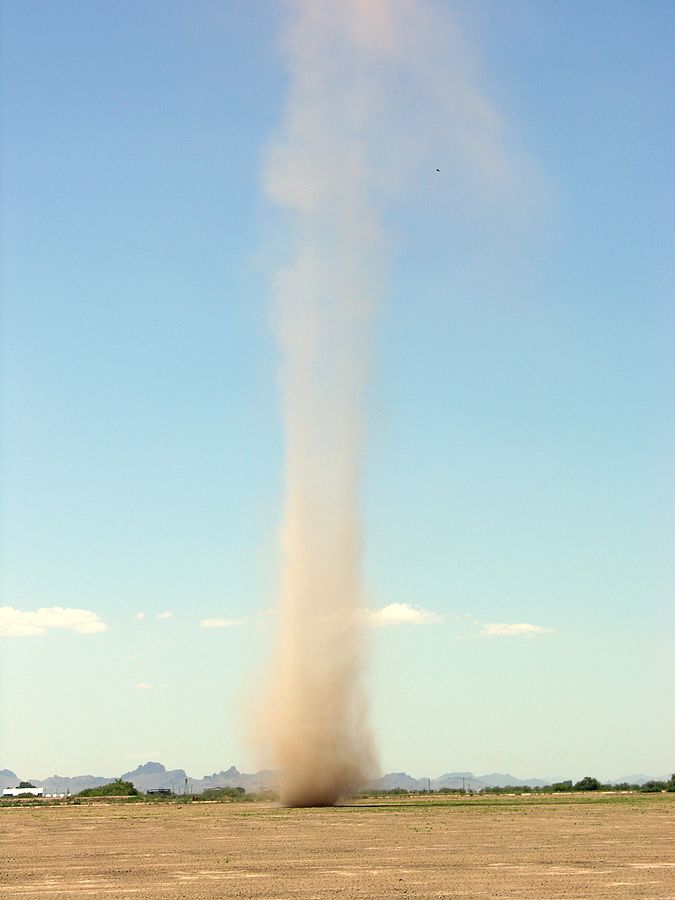
According to the agency, dust devils have been present in some 170 aviation accidents the NTSB has investigated since 1982. The small, rapidly rotating columns of air are made visible by the dust and debris they pick up from the ground. Although usually harmless, the weather phenomena can be a serious risk to small aircraft, especially when operating at low altitudes. The NTSB notes that dust devils are often invisible causing “sudden and unexpected turbulence for pilots and aircraft, which may lead to rapid loss of lift, uncommanded roll or yaw, or other disturbances.”
In its safety alert, the NTSB cited several examples of aircraft impacted by dust devils. In one instance, a Cessna 170B taking off from Elko, Nevada, encountered a dust devil causing the airplane to enter an aggressive left roll and ultimately end up inverted, resulting in significant damage to its wings and fuselage.
The NTSB recommended pilots take proactive measures to recognize and avoid dust devils particularly in regions where they are known to occur frequently, such as the American Southwest. Pilots operating in these areas are encouraged to maintain a higher altitude whenever possible. Additionally, the agency urges pilots to obtain detailed preflight weather briefings, and should they encounter dust devils during flight, they should promptly report them to ATC.