














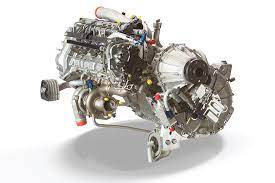

Sensitive to aviation as a source of greenhouse gasses, Continental says it’s finishing up testing that will make HVO or hydrotreated vegetable oil a fuel option in its CD-100 series engines. There are three engines in the line, the CD-135, -155 and -170. All three are currently approved to use Jet-A.
The company gave no date for the final approval of HVO, but bio-derived fuels are a growth industry for the diesel engine segment. HVO is made by hydrocracking vegetable oils using hydrogen rather than the methanol used to produce biodiesel. It can be made from a variety of feedstocks, ranging from waste fats, tallow and cooking oil or virgin energy crops such as jatropha, palm oil and soybeans. Algae can also serve as a feedstock. HVO emits slightly less carbon dioxide in the burning than petroleum diesel does—as much as 15 percent. But its total lifecycle emissions are 50 to 90 percent less than petroleum diesel because the fuel is returning to the atmosphere carbon already absorbed during the plant growth cycle.
Worldwide, HVO production is growing, although its market share is small. HVO and biodiesel are similar, but HVO is less carbon intensive because it contains no petroleum constituents. Biodiesel is called R-99 or green diesel because by federal law in the U.S., it must contain 1 percent petroleum-derived diesel. The U.S. is the largest producer of true HVO, but the market remains underdeveloped in the U.S. R-99 biodiesel accounts for about 2.3 billion gallons of 68 billion gallons produced. Biodiesel is currently between 70 and 130 percent more expensive than fossil diesel.
To the user, HVO fuels will be no different than Jet-A. “Our extensive analysis has thus far demonstrated results that confirm our 4-cylinder Jet-A engines exhibit seamless performance equal to traditional Jet-A,” said Dr. David Dörner, vice president of global research and development for Continental.
Diamond Aircraft is also pursuing alternative fuel approval for the Austro engines used in its aircraft. Rather than HVO, Diamond is testing sustainable aviation fuel (SAF). It hasn’t announced any results yet.
