













Euronews reported this week it has received a leaked document that shows Hungary is proposing delaying taxes on airline and maritime fuel until mid-century. Currently, diesel, gasoline and electricity used for rail and road vehicles is “heavily taxed,” according to Euronews. But airlines and marine vessels, from fishing boats to cruise ships, pay no fuel taxes. The policy is seen as a means of stimulating air travel, but environmentalists find the measure counter to Europe’s commitment to green energy.
Three years ago, the European Commission proposed a reform to a 2003 Energy Taxation Directive that would help achieve a target of cutting 55% in CO2 emissions by 2030. Part of the proposal was eliminating the tax exemption for aircraft and maritime vessels. But the reform has been delayed.
One reason why the proposal faces an uphill battle is that, under EU rules, approval must be secured from all 27 member states. But according to the leaked document, Hungary has proposed formally postponing any plans to scrap the tax exemption until 2049. This has put the non-government organization (NGO) Transport & Environment directly at odds with the airline industry, as represented by Airlines For Europe (A4E).
Jo Dardenne, who leads campaigns on aviation issues for Brussels-based Transport & Environment, said, “It’s hard to find the words to describe the absurdity of a proposal to delay the introduction of a jet and maritime fuel tax to 2049, if not forever. With its proposal, the Hungarian government has completely obliterated the very purpose of this last piece of the Green Deal, which was to put a price on dirty fuels.”
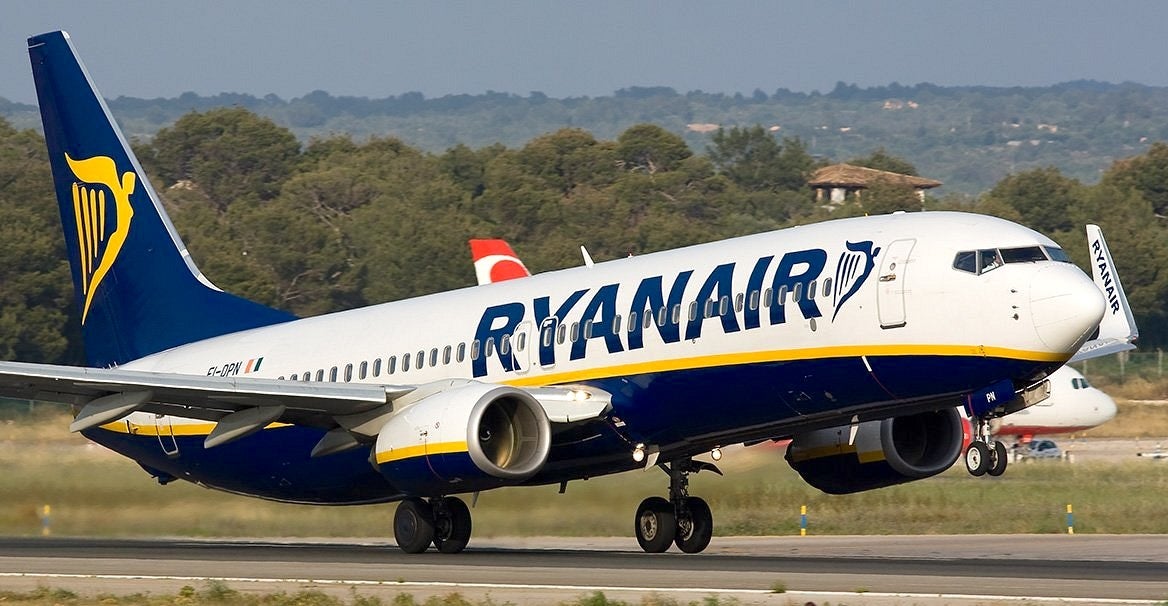
A4E spokesman Kevin Hines countered, telling Euronews that airlines already pay “significant sums of tax.” By 2030, he said, A4E members, including Lufthansa Group and Ryanair, would be paying more than €10 billion for allowances under the EU emissions trading system. He added that A4E members plan to invest €14.8 billion in sustainable aviation fuel development as well as budgeting €165 billion for new, more fuel-efficient aircraft to be placed in service by 2030.
Hines said, “An aviation fuel tax will be counterproductive, jeopardize the competitiveness of the European airline sector and potentially drive passengers to non-EU airports.”