















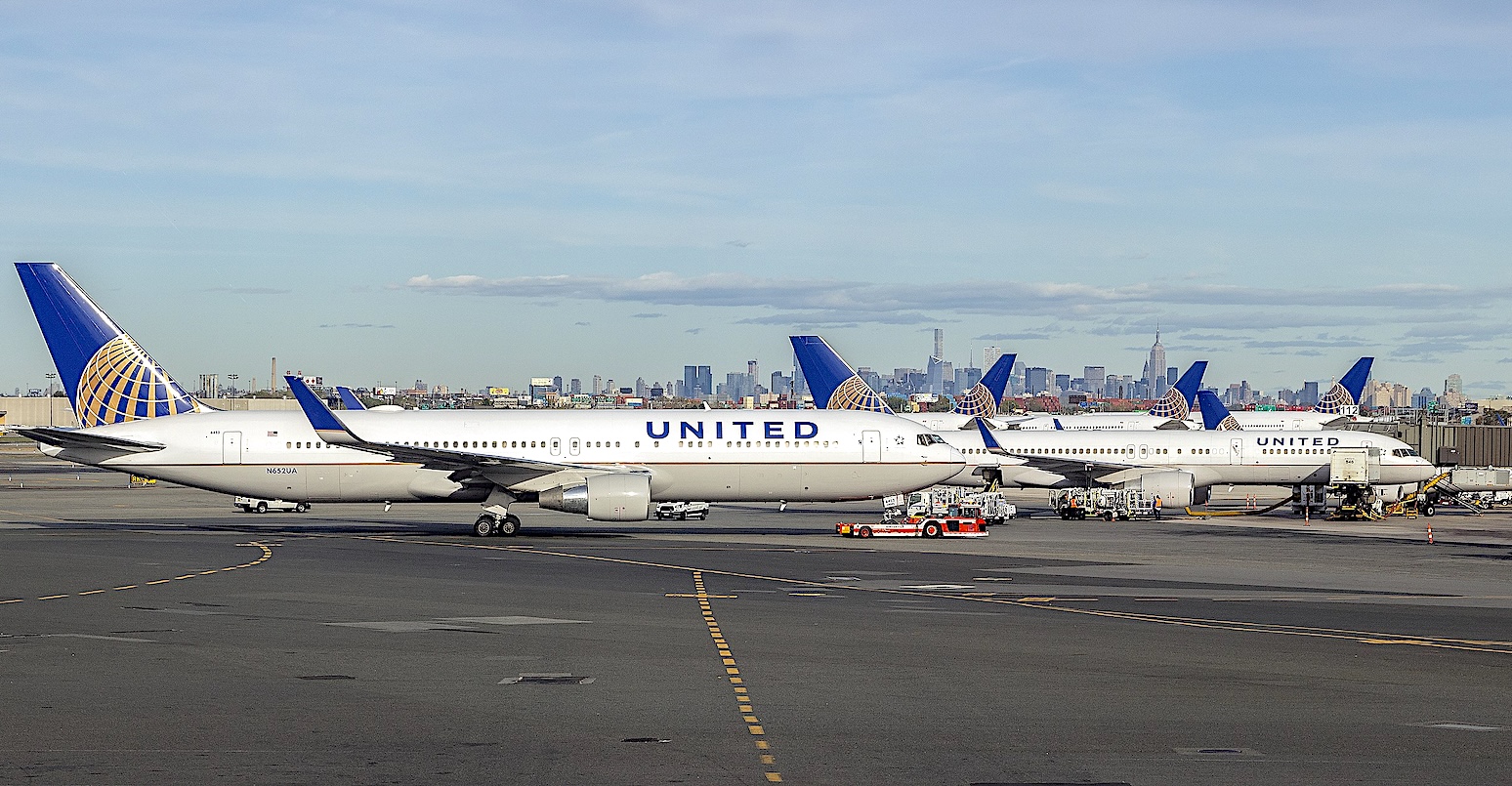

The U.S. Department of Transportation (DOT) Office of the Inspector General (OIG) has initiated an official audit to review the FAA’s decision to relocate personnel and responsibility for Newark (New Jersey – KEWR) Approach Control from the N90 terminal radar approach control (Tracon) center in New York to Philadelphia. The FAA transferred the workload in July 2024 to the Philadelphia Air Traffic Control Tower to alleviate “chronic understaffing” at N90 on Long Island, New York, where a higher cost of living made it difficult to attract and retain controllers, according to the FAA.
But the shift has not gone smoothly. That is due, in part, to technical issues with data transfer technology. On April 28, a copper wire failed, leading to a 90-second communications outage. This was followed by a similar outage on May 9. Both are blamed on old-technology primary and backup communications hardware. As part of the initiative to update and upgrade the National Airspace System, replacing copper-wire systems with fiber-optic cable is getting priority attention.
According to the DOT OIG, “Our audit objectives will be to assess FAA’s relocation of Newark approach control operations from New York to Philadelphia, including FAA’s (1) planning and risk assessment process and (2) response to its operational impact on flight delays, cancellations, and safety incidents.”


Given that staffing was the primary concern - how is that going? How many fully certified controllers do they have now? How many did they have one and two years ago? How many trainees are in the process of getting OJT? How many controllers will be eligible to retire in the next year or two?
Outrageous outages cause outrage about the outages. This is fully understandable.
This has been a disaster on all fronts. The staffing at TRACON did improve dramatically over the last few years prior to the move and it was ignored. Moving this portion of airspace which is intertwined with LGA and JFK airspace was ill conceived, mismanaged and put the flying public in danger, due to the equipment limitations that were known to be potential weak points. This saga is not over, while many of the equipment issues have been addressed, staffing will continue to be a problem for many years which again will adversely affect the flying public.
Thank goodness no fiber optic cable has ever been stolen, intentionally or accidentally cut, or worn out. I love our new reality where what “sounds good” is more important than what “is good”.
So is N90, and its airspace, what used to be referred to as the “common I or common IFR”?
I can’t help wondering how much it’s going to cost to fix this situation, and how that cost will compare to what it would have cost to pay N90 controllers a wage appropriate to the cost of living.
Also, the article says that the workload was transferred to the Philadelphia Air Traffic Control Tower. That seems like a mistake. Surely it would have been transferred to the TRACON.