















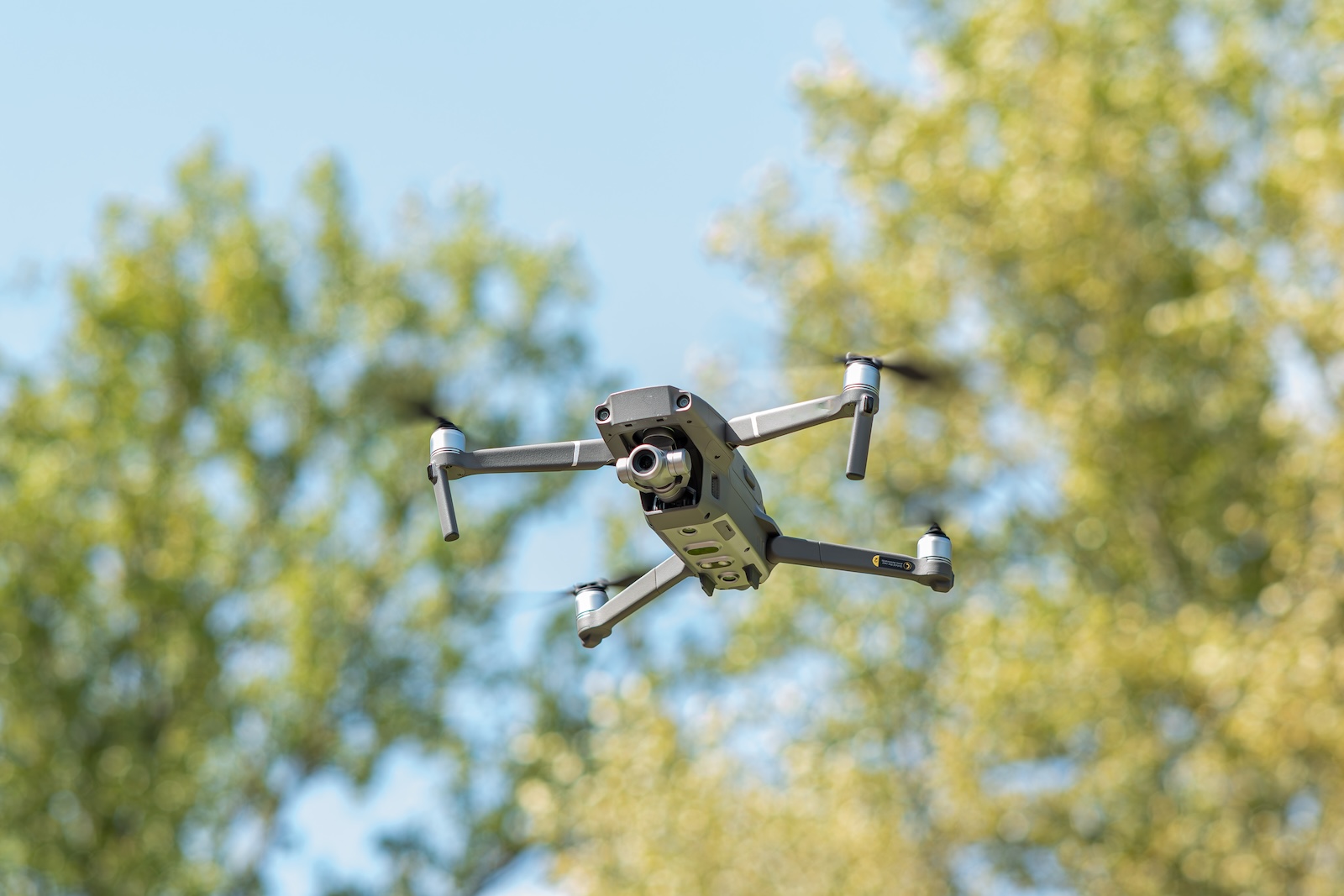

U.S. Transportation Secretary Sean P. Duffy announced a proposal on Tuesday to allow beyond visual line of sight (BVLOS) unmanned aircraft systems (UAS) flights without individual waivers. The measure would instead offer a more standardized authorization process aimed at simplifying the pathway for companies to deploy drones for a wider variety of tasks like aerial deliveries and long-range inspections.
“We are making the future of our aviation a reality and unleashing American drone dominance,” Duffy said, noting that the rule would reform “outdated regulations that were holding innovators back while also enhancing safety in our skies.”
Under existing Federal Aviation Administration requirements, operators seeking to fly UAS beyond the pilot’s line of sight must secure individual waivers. The new rule would look to standardize the process by allowing operators to apply for one of two categories of authorization, depending on the scope of the BVLOS operations. These include permits for simpler, lower-risk operations, and operating certificates for larger, heavier, or faster fleets.
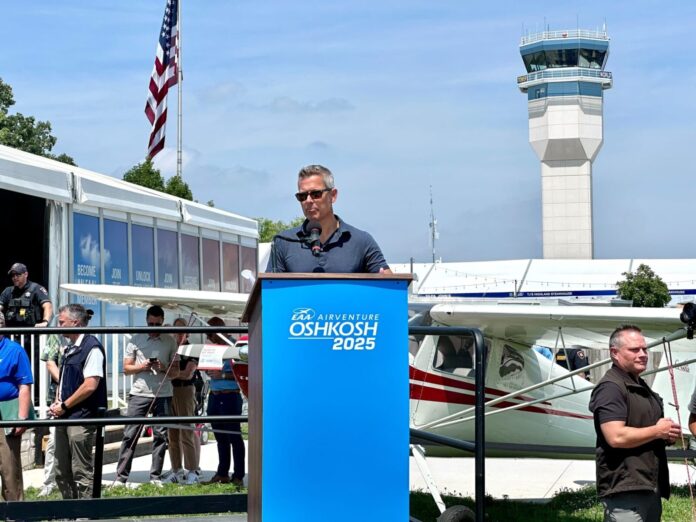
Proponents say normalizing BVLOS operations is “key to realizing drones’ societal and economic benefits,” as FAA Administrator Bryan Bedford observed.
The notice of proposed rulemaking, developed in collaboration with the Transportation Security Administration, also introduces updated standards for manufacturers, operators and drone-traffic management services aimed at maintaining safe separation of unmanned and manned aircraft.


What a sentence…
"Duffy said, noting that the rule would reform “outdated regulations that were holding innovators back while also enhancing safety in our skies.”
As a commercial pilot, aircraft owner and Part 107 remote pilot, if you fill the sky with drones, safety is not enhanced. Manned aircraft have a lot more to lose than unmanned aircraft in the event of a collision. I speak as a pilot who has flown forest fires for a state agency and encountered drones at the scene of a fire. You can’t see them and having one come through your windshield at 90 kts will ruin your day. Relying on drone technology to detect and avoid manned aircraft hasn’t been foolproof so far. The 400 foot AGL maximum altitude for drones helps since manned aircraft seldom get below 500 AGL except for takeoff and landing but our firefighting helicopters and tankers operate just above the trees.