















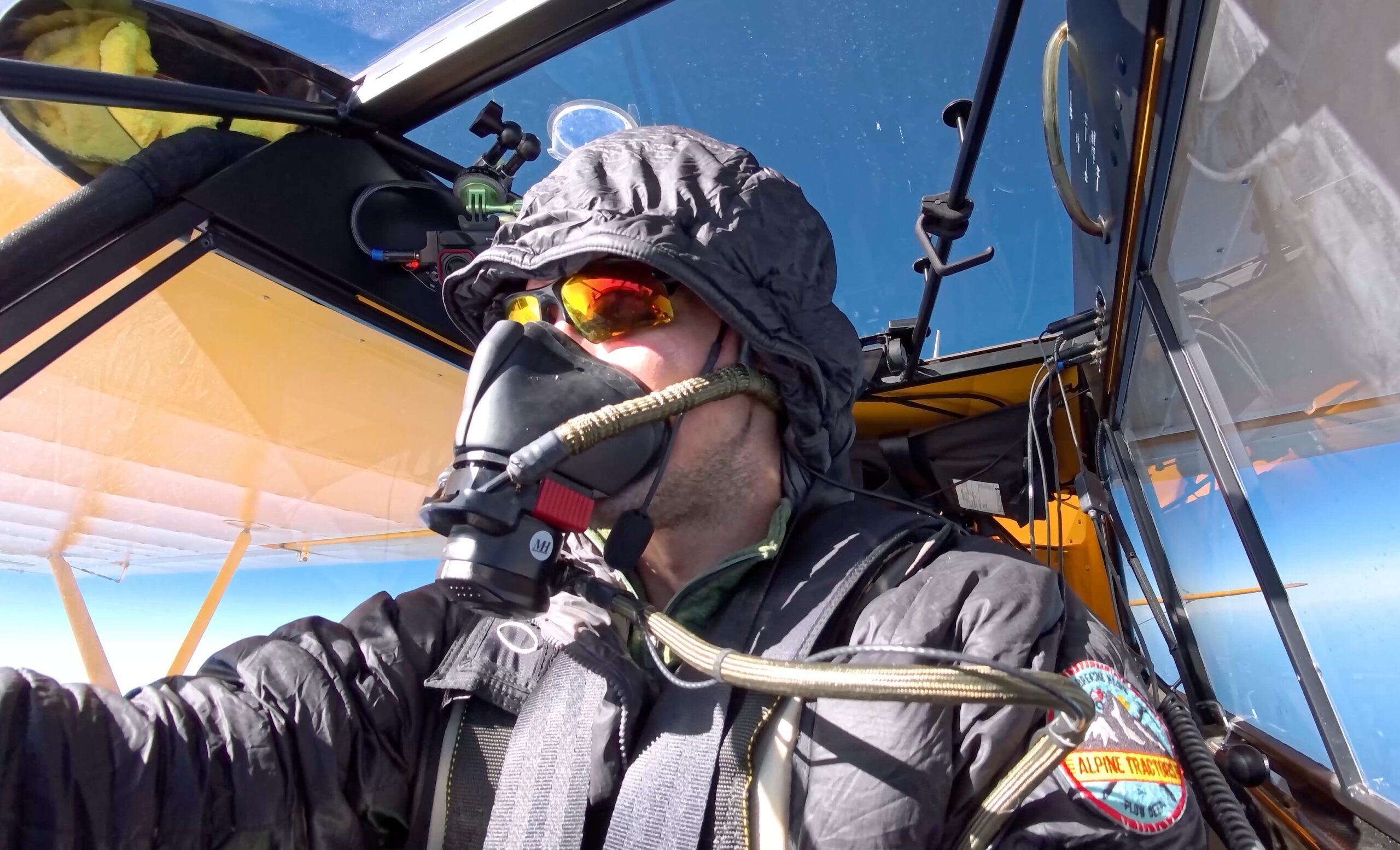

A CubCrafters Carbon Cub UL reached an altitude of 37,609 feet Tuesday, setting an unofficial new record for Cub-type aircraft and surpassing a mark that stood for nearly 75 years. The flight, conducted October 28 over the California coast, exceeded the previous 1951 benchmark of 30,203 feet achieved by pilot Caro Bayley in a Piper Super Cub.
Piloted by Jon Kotwicki, the Rotax 916 iS–powered Carbon Cub UL climbed from San Luis Obispo Airport in 62 minutes under clear conditions, with an outside air temperature of minus 51 degrees Fahrenheit at altitude, according to CubCrafters.
“This achievement exemplified everything we stand for—innovation, craftsmanship, and the courage to push limits,” said Brad Damm, CubCrafters vice president.
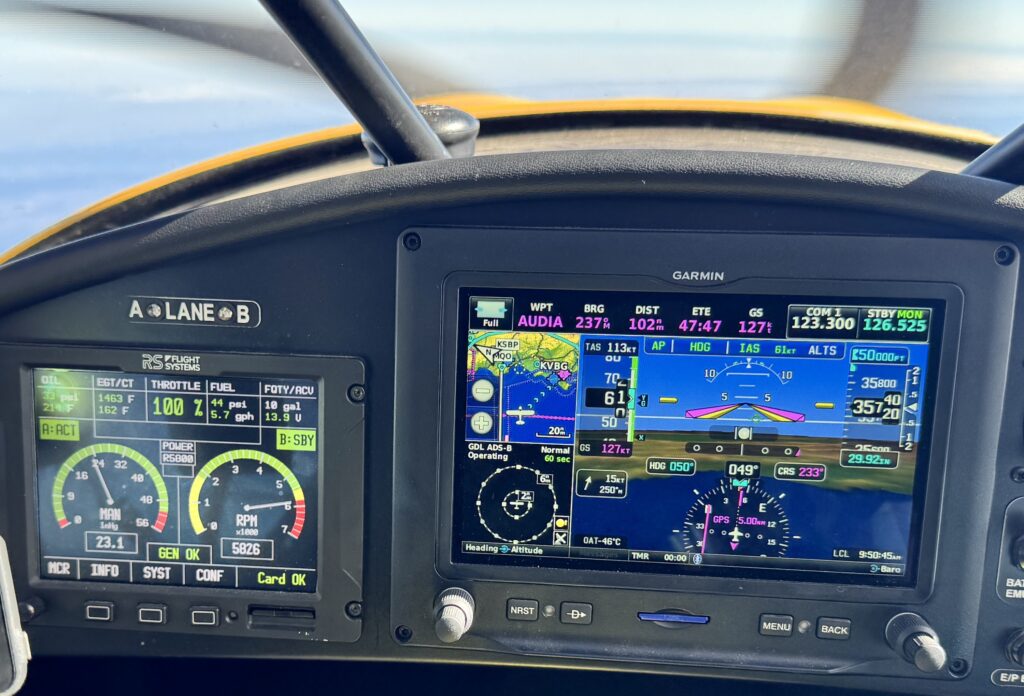
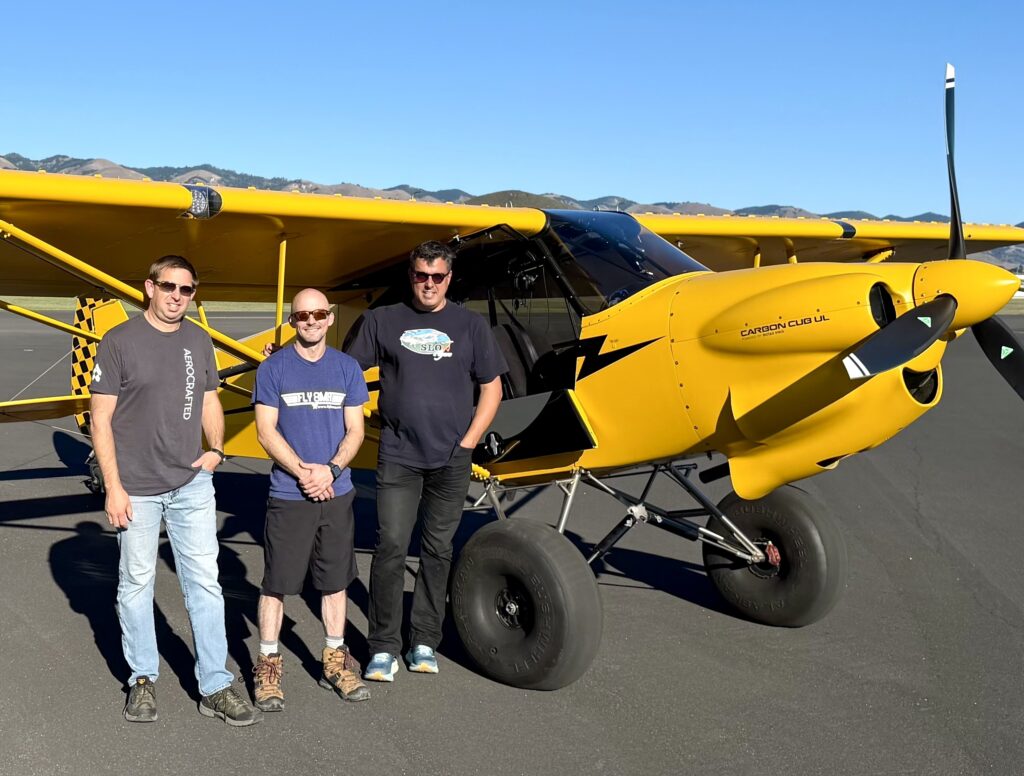
The Carbon Cub UL remained in a standard bush plane configuration, complete with 29-inch Alaska Bushwheels and camera gear. The flight also exceeded the official Fédération Aéronautique Internationale ultralight record of 35,062 feet held since 1996 by a Rutan Long EZ.
The climb was a joint effort involving Cal Poly’s Aerospace Engineering program, Aerocrafted, Rotax and Mountain High Equipment & Supply.
Project lead and Cal Poly professor Paulo Iscold described the flight as one of the most fun record attempts he has worked on.
“This is my 17th aviation record, and it was one of the most fun to go after,” said Iscold. “The entire team was great to work with. From CubCrafters and Rotax to Aerocrafted and Mountain High, we couldn’t have asked for better partners or a better aircraft for this project. In test flying we plan for everything to go wrong. When everything goes right — that’s the flight you wanted, that’s the flight we got.”
Kotwicki said the Carbon Cub UL’s stability and control were surprisingly predictable throughout the extreme climb.
“We were outside the normal realm of operating parameters, so we were proceeding with caution,” Kotwicki said. “It was pretty dang cool to be in a tube-and-fabric bush plane that high, and it was surreal hearing airline pilots over ATC wondering what a Cub was doing up there.”


Wow! That is really amazing. Look forward to learning more: did they add some kind of anti-ice to the fuel? Did they decrease the pressure in the tires to prevent failure at altitude? When I first read about this I thought we were being punked and then saw the video. Congrats to the team on this remarkable flight!
Hey! So the atmosphere’s pressure at sea level is 14.7psi on a standard day. It’s approximately 3psi at 37,000ft. (Rough numbers) so they would increase 11psi (not accounting for temperature decrease) and even if in space, the PSI in the tires would increase 14.7psi, which usually is well within the limits of a tires capability. The space shuttle never had issues that I’m aware of. Any physics majors can correct me if I’m wrong but this is what I remember from class.
Edit:spelling
This is a forum for pilots yet there’s not a single technical detail - not even one - about what was required to get this plane with this motor to these remarkable altitudes. Lots of questions, very few answers. Just for fun, I issued the following prompt to my favorite AI Agent and (within 5 seconds) got a fascinating list of turbocharger and prop optimizations on, parasitic drag accommodations, gotchas, etc: “What determines the service ceiling of a normally aspirated Piper Cup airplane and what three things would be most important for significantly increasing the service ceiling, even for demonstration purposes?”
Even AvWeb fails to provide factual information for just general information headlines it seems.
Edit: when i say factual, i meant like technical specifications and pilot jargon, like you mentioned
I am surprised that for all this effort, cost, modifications, etc, there was NO NAA or FAI participation. I suppose that this was really classified as a ‘test-flight’… perhaps in preparation for a formal record flight? Or Not. Informal ‘records’ are always ‘interesting data points’… not to take-away from the mindboggling accomplishment ‘as is’. **
Also…
I am very curious how they attained the exterior camera angle/images… which appear widely detached from the airframe but remarkably stable.
**My Dad flew/attained official world records Class C1b, so I am partial to the FORMAL process.
PS: I graduated from CPSU SLO’77…
Thanks! Appreciate the explanation!
This must have been great fun. Congratulations.
Now you just have to climb about 40,000 more to beat the altitude record for a glider. https://youtu.be/_hk7JcKMrkk?si=Iy7dpbxPyJbHKe_z
This is an insane feat! -51F at that altitude-- I can’t help but wonder how he stayed warm enough and what effect the extreme cold had on materials throughout the airframe. I’m hoping someone might’ve caught some amusing ATC audio. I’m sure a few 121 flights were questioning their choice in coffee after having a Cub called as traffic in the FL’s.
Great story! But I could not stop laughing after seeing how appropriate the professors last name was: “Project lead and Cal Poly professor Paulo Iscold.”