















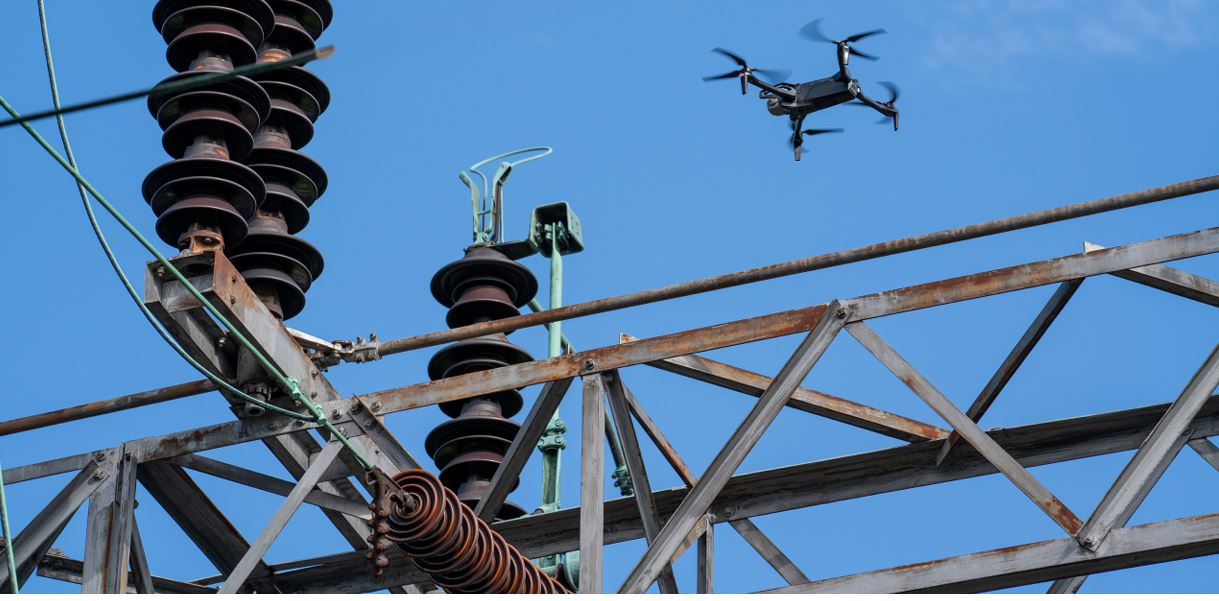

On Thursday, the Federal Aviation Administration (FAA) unveiled a long-awaited proposal to restrict drone operations near sensitive facilities, marking a significant step toward tightening security in low-altitude airspace.
Transportation Secretary Sean P. Duffy said the notice of proposed rulemaking would establish a formal process allowing certain fixed-site facilities—such as energy plants, refineries, and other high-risk locations—to request airspace restrictions on nearby unmanned aircraft operations.
The proposal implements Section 2209 of the FAA Extension, Safety, and Security Act of 2016, which directed the agency to create a framework for protecting critical infrastructure from unauthorized drone activity. Until now, that mandate had remained largely unfulfilled.
Under the rule, the FAA would designate specific areas as restricted airspace for drones, with defined horizontal and vertical limits. Operations within those zones would be prohibited except under limited, approved circumstances.
Officials say the move is aimed at addressing growing concerns about rogue or unidentified drone activity near sensitive sites. Federal authorities have increasingly warned that critical infrastructure—including power grids and military installations—faces frequent incursions by unmanned aircraft, raising both safety and national security issues.
Duffy framed the proposal as part of a broader push to secure the national airspace system while still enabling continued growth in drone operations. The FAA emphasized that the rule is intended to provide a standardized, transparent process for restricting flights, rather than relying on ad hoc measures such as temporary flight restrictions.
If adopted, the rule would create a new regulatory structure governing how facilities apply for protections and how those restrictions are communicated to drone operators. Industry stakeholders are expected to weigh in during the public comment period which will run until July 6, 2026.

As long as this proposal doesn’t drift into restrictions for VFR airplanes. Problem is that if you allow restrictions like this from unmanned drones, how long before those who hate aircraft in general start screaming for additional restrictions. All you have to do is look how the anti-gun lobby operates to see the precedent.
If drones need to be restricted around critical infrastructure, how is it safe to allow their continued operation around non towered airports like KCVH where I often fly. I had a close encounter with a drone 10 years ago on descent into KCRQ - missed by about 50 feet going in opposite directions (filed a NASA and reported the incident to the tower with no follow-up). The drone was at 1,500 ft, flying illegally in Class C airspace. My view is that drones and GA aircraft cannot safely co-exist. The old “see and be seen” mantra doesn’t work with an object the size of dinner plate that would happily take out your windscreen and face. Even if they had ADS-B out what good would it do to know that a dangerous projectile wad too close to your flight path if you can’t see it. Drones have no place anywhere, even if limited to 400 ft. anywhere near the pattern of any airport. Unfortunately, the FAA has decided to give drones far too much leeway and seem to rule in their favor over piloted aircraft.