
















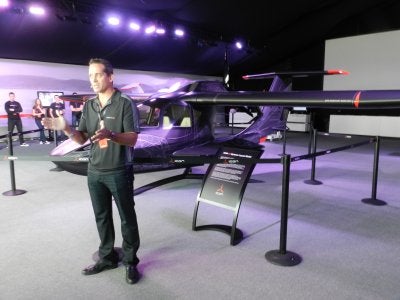
The FAA has granted a 250-pound weight increase exemption to Icon Aircraft for its A5 Light Sport amphib to allow the company to incorporate structures to make the aircraft spin resistant. Two years ago, the company announced it had achieved compliance with FAA certification standards for spin resistance but that it couldn’t make the 1430-pound maximum weight permitted for amphibious Light Sport aircraft. Icon applied for an exemption based on the premise that the extra weight would allow for a much safer airplane and the FAA, after 14 months, agreed.The FAA determined that granting relief from the MTOW (Maximum Takeoff Weight) for LSA for this specific safety enhancement is in the public interest and is also consistent with the FAAs goals of increasing safety for small planes, the agency said in its decision letter.
Icon President Kirk Hawkins told AVweb the company does not expect the aircraft to need more than a third of the extra wiggle room to begin with. He said the target weight for the first of four conforming test aircraft is 1510 pounds, the result of prudent design decisions made in case the FAA ruled against the exemption. Something that will increase substantially is the price. The cost of the aircraft when it was first introduced four years ago was $139,000 but that’s gone up to at least $189,000. Hawkins said that in addition to the spin resistance, the revised design comes with a more-expensive Rotax 912 iS fuel-injected engine, a Garmin 796 panel and a fully finished interior. The first new test aircraft will be finished by the end of the year based on the new weights. Hawkins said his company is proud to have become the first to gain this kind of leeway from the FAA but he doesn’t think it will be the last. “This exemption is great news for all of aviation,” he said.

