
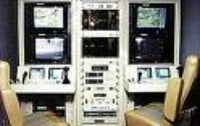
A consortium of British companies is now flight testing a see-and-avoid system for drones that it believes will lead to a lot less cockpit manpower in the not-so-distant future. “It is doing all the things a human pilot would be doing,” BAE spokesman Lambert Dopping-Hepenstal told the Daily Telegraph. It would not appear to come cheaply, however, and there is human backup available, at least in the test phase.
The “robot pilot” uses a vast array of sensors to visually and electronically detect things it doesn’t want to fly into, like other aircraft, terrain and bad weather and if any of these get in the way of its preprogrammed flight plan, it sends a query to someone on the ground at a laptop. If the laptop jockey is indisposed, it knows what to do, however. “If the communication link goes down or the operator is not paying attention, the on-board system will take action itself,” Dopping-Hepenstal said. “In an emergency, it can use infrared cameras to identify safe sites to set down aircraft by itself and can look for body heat to make sure a landing area is clear of living things.”