













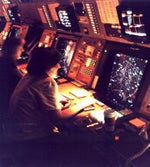
A tower controller fell asleep on the overnight shift in March due to fatigue that resulted, at least in part, from the FAA’s scheduling practices, the NTSB concluded in a report released on Wednesday. Two air carrier flights landed at Reagan National Airport, in Washington, D.C., after the controller failed to respond. After the incident, which was widely reported in the media, the FAA began to schedule a second person on the mid-shift and expanded time off after each overnight shift to at least nine hours. “This new report indicates how swiftly the FAA reacted to correct the problem and NATCA continues to support those improvements,” NATCA President Paul Rinaldi said in a statement on Wednesday.
The NTSB report details the actions of the various FAA personnel who were on duty that night, and lists the activities of the sleeping controller in the days leading up to the incident. The report also found that the crews of the airplanes that landed had been told by a center controller they could land at DCA without tower contact, using unmanned airport procedures, but it was their decision. The NTSB said that information was incorrect. The sleeping controller was temporarily suspended. No disciplinary actions were taken against the flight crews. The NTSB concluded that the probable cause(s) of the incident were the tower controller’s loss of consciousness induced by lack of sleep, fatigue resulting from working successive midnight shifts, and the FAA’s air traffic control scheduling practices. In a statement on Wednesday, the FAA said: “Following an incident at National Airport in March 2011, the FAA took swift action to enhance safety by increasing midnight shift staffing at control towers, clarifying procedures for handling communications lapses and changing scheduling practices to minimize controller fatigue.”