















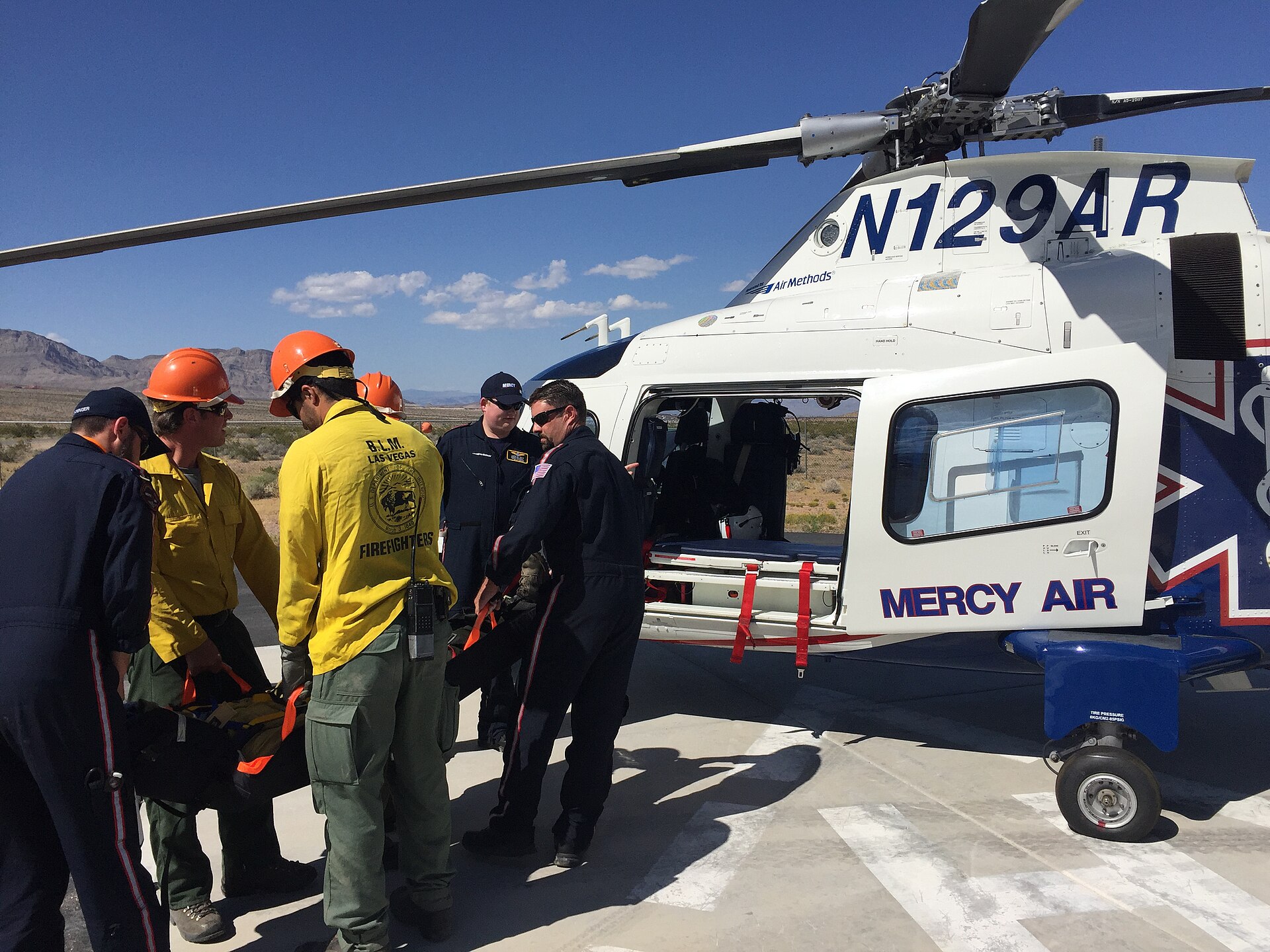

The FAA is investigating a medical helicopter that reportedly contacted the water shortly after departing California’s Catalina Island Sept. 30, about a minute before a second helicopter crashed nearby, killing three people. The agency confirmed the separate investigation on Wednesday.
First Helicopter Recovered
The first helicopter, a Mercy Air aircraft operated by Air Methods, departed the Pebbly Beach helipad near Avalon at approximately 7:45 p.m. for Harbor-UCLA Medical Center. According to an internal Air Methods incident report obtained by CBS Los Angeles, the pilot noticed the aircraft had descended from approximately 150 feet to 75 feet shortly after takeoff. The pilot reported limited visibility through night-vision goggles over calm water on a moonless night before making control corrections.
“I looked back in, felt a thump and spray under chin bubble,” the pilot wrote in the internal report, as quoted by the Los Angeles Times. “Obvious contact with water.”
The helicopter then continued to the mainland and was reportedly grounded after landing. Witnesses interviewed by CBS Los Angeles also described seeing the aircraft contact the ocean before recovering.
Fatal Crash Followed Moments Later
Approximately a minute after the first incident, a REACH Air Medical Services Eurocopter EC135 P2 departed the same helipad and went down into the ocean. Three of the five occupants were killed, including pilot Steven Robinson, flight nurse Jessica deVries and patient Catalina Hernandez Romero, according to an Oct. 2 statement from REACH. Two others survived the accident.
The NTSB has opened an investigation into the fatal REACH accident, while the FAA is examining the earlier Mercy Air incident. Investigators have not determined the cause of either incident or established whether the two were related.


I see the helo that just touched was using NVGs. Haven’t seen anything on whether the accident pilot was. Anyone know what it’s like using NVGs in those conditions?
Calm water is a hazard for seaplanes landing - very difficult to judge height, but this help was taking off.
I presume helo had radalt but it has to be monitored.
Article says pilot noticed helo had descended to 75 feet but contacted water - must have continued to descend for some reason.
CBS News article Avweb links to covers both visibility with NGVs and descent.
My initial reaction is the likelihood of a down draft coming off the very steep slopes of the island. The hill immediately behind Pebble Beach is close to 500 feet in elevation. We don’t know the weather specifics yet, but the Mercy Air pilot appears to describe a calm air night. Calm air would eliminate the famous down draft experienced at KAVX which is generated by 15+ knot winds over the 1500 foot cliff.
Being 1 hour after sunset on a calm clear night could possibly generate cold air downslope flows. It would have to be significant though, to push a helicopter that is established in a climb, down 150 feet.
I wondered if one helicopter might have had more power and would have had a better rate of climb than the other. I looked up both helicopters on the FAA registry (according to Grok the helicopters involved are N738AM and N313RX and not the ones in the photographs) and they are identical model Eurocopters with PW206B2 engines rated at 447 shp each (twin engines), so differing power was not what saved the Mercy Air helicopter or doomed the Reach helicopter. Reach was somewhat heavier with 5 people on board vs four in the Mercy Air.
Regardless of the cause of the sink, with little or no visual indicators, survival might have been determined by the pilot’s scan and noticing the sink rate with only a second or two to spare. Thoughts and prayers to those we lost.