














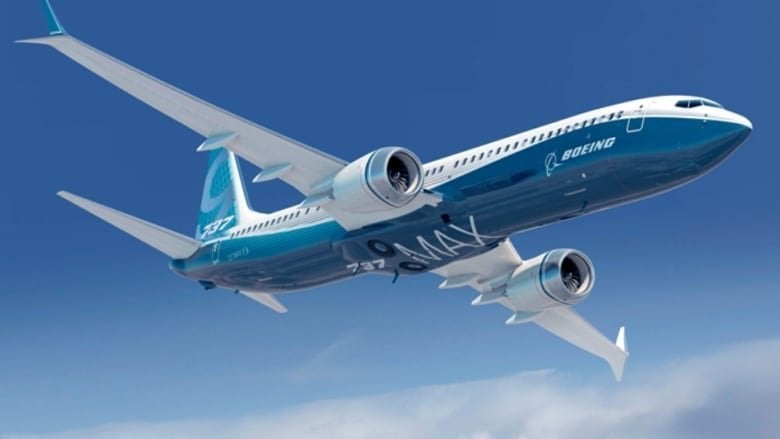

Boeing has announced that it will be providing $100 million in funds “to address family and community needs” of people impacted by the fatal crashes of Lion Air Flight 610 and Ethiopian Airlines Flight 302, both Boeing 737 MAX aircraft. According to the company, the money will go to support education, hardship and living expenses, community programs, and economic development in affected communities. Boeing says it will be partnering with local governments and nonprofit organizations to achieve those goals.
“We at Boeing are sorry for the tragic loss of lives in both of these accidents and these lives lost will continue to weigh heavily on our hearts and on our minds for years to come,” said Boeing CEO Dennis Muilenburg. “The families and loved ones of those on board have our deepest sympathies, and we hope this initial outreach can help bring them comfort.” 346 people were killed in the accidents, which took place on March 10, 2019, and Oct. 29, 2018. Boeing has also said that it will provide an opportunity for company employees to donate to those affected by the crashes and will match employee donations received through Dec. 31, 2019.
The Boeing 737 MAX has been grounded since March. As previously reported by AVweb, the FAA is in the process of evaluating Boeing’s modifications to software for the MAX’s Maneuvering Characteristics Augmentation System (MCAS), which is believed to have significantly contributed to both accidents. Before the aircraft can return to the air, the FAA is also requiring Boeing to address a problem with the speed at which electric trim switches respond to inputs in a runaway stabilizer scenario, which was discovered during simulator testing in late June.
