















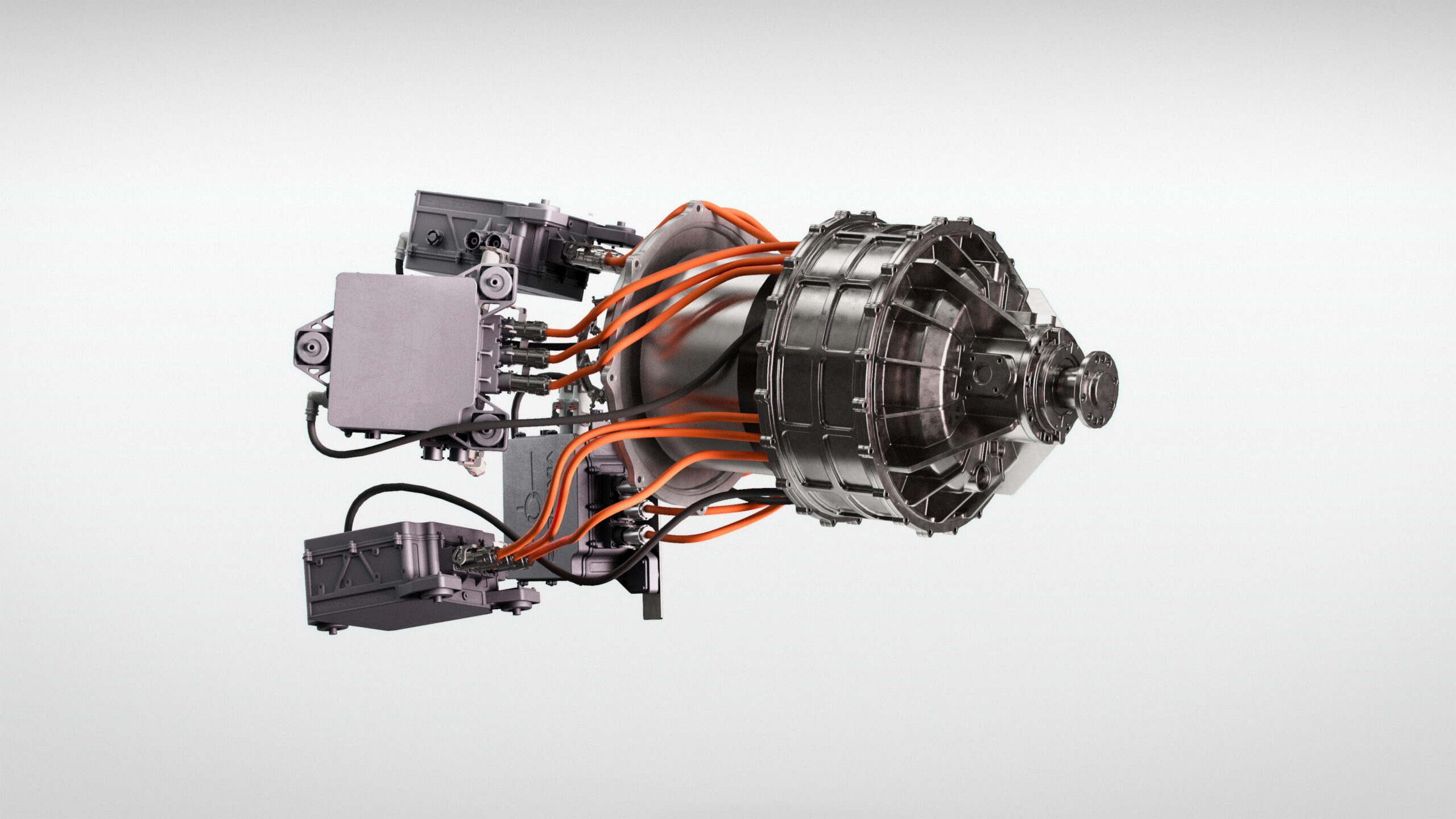

The FAA earlier this month published final special conditions for ZeroAvia’s ZA601 electric engine, establishing additional safety standards for the company’s 600-kW propulsion system as it moves through the type-certification process. The rule is part of the certification path for the electric propulsion system that the company plans to use in its ZA600 hydrogen-electric powertrain for 10- to 20-seat commercial aircraft.
The FAA said the engine’s electric motor, controller and high-voltage electrical system represent a “novel or unusual design feature” not fully addressed by existing airworthiness standards for aircraft engines.
The FAA said the special conditions are needed because current Part 33 engine standards were developed around turbine and reciprocating engines rather than electric propulsion systems. The final rule applies to ZeroAvia’s Model ZA601 electric engine and took effect March 18.
In addition to requirements covering ratings, operating limits and durability, the special conditions address areas including fire protection, overspeed, control systems, vibration, ingestion, containment and electrical system safety. The FAA said the standards are intended to provide “a level of safety equivalent to that established by the existing airworthiness standards.” The agency also noted that no comments were received after the proposed special conditions were published in January.
“Having special conditions for our electric propulsion system published by the FAA is an enormous achievement that underscores the aerospace maturity of our organization and illuminates our path forwards towards type certification,” founder and CEO Val Miftakhov said.
ZeroAvia said the electric propulsion system combines its motor and inverter technology and is intended to work with the company’s fuel-cell modules as part of its hydrogen-electric powertrain.


Come on, what’s the HP of this electric engine?