














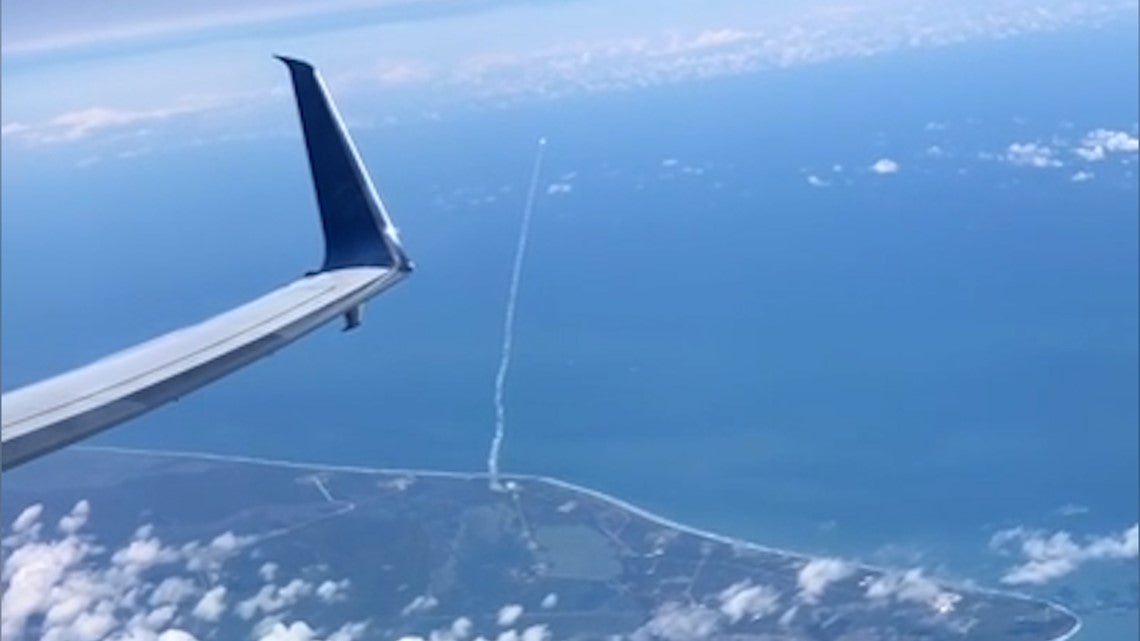

The FAA is taking steps to better fit rocket launches into the National Airspace system. The agency announced last week it has come up with guidelines “to optimize and equitably manage the airspace in the vicinity of launch sites.” Airlines and other operators have been grumbling about the diversions and airspace closures that inevitably result from every launch. As the country’s launch pads, particularly in Florida, bristle with activity from a host of private companies involved in the business the disruption has increased. The agency will “rely on a set of objective factors to better balance the needs of launch licensees, as well as airlines, general aviation and the military to minimize disruptions,” it said in a statement.
In some cases, companies may be asked to move a launch if it’s planned for a holiday period when airline activity peaks or when the military is holding a major training exercise. The FAA is also suggesting the companies do more late night/early morning launches when aviation activity is reduced. The mission of each launch will factor into its priority for scheduling. “The FAA generally will prioritize commercial space operations that (1) have a national security purpose or are in the national interest and/or (2) commercial space launches carrying payloads,” the FAA said.
