














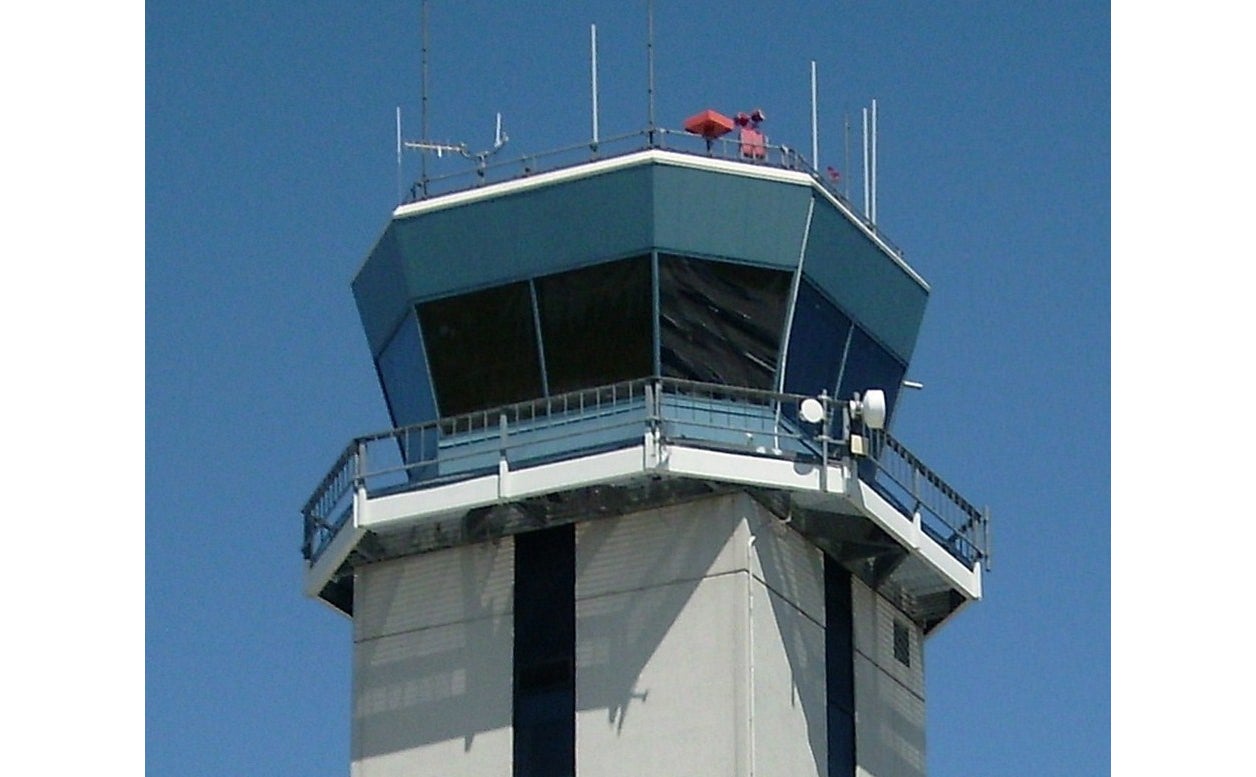

The FAA has announced plans to temporarily adjust operating hours at approximately 100 air traffic control towers nationwide due to the coronavirus (COVID-19) pandemic. When choosing how to modify hours, the agency says it looked at hourly aircraft counts and safety during non-towered times, air carrier, air taxi, and special operations, the ability of the workforce to social distance and reduce exposure, savings of supplies, and infrastructure constraints. The FAA will continue to monitor traffic volumes at affected facilities and make additional adjustments as necessary.
“These facilities have seen a significant reduction in flights, especially during the evening and nighttime hours, since the pandemic began,” the agency said. “Adjusting the operating hours will further protect our employees and reduce the possibility of temporary tower closures from COVID-19 exposures by ensuring enough controllers are available to staff the facilities during peak hours.”
Operating hour adjustments are expected to begin later this month. According to the FAA, it will coordinate with stakeholders before making its final decisions. The FAA also noted that air traffic control facilities have established separate teams of controllers that stay together throughout the duty week as a way of “limiting the possibility of cross-exposure to COVID-19 that would come through normal shift rotations.”
