















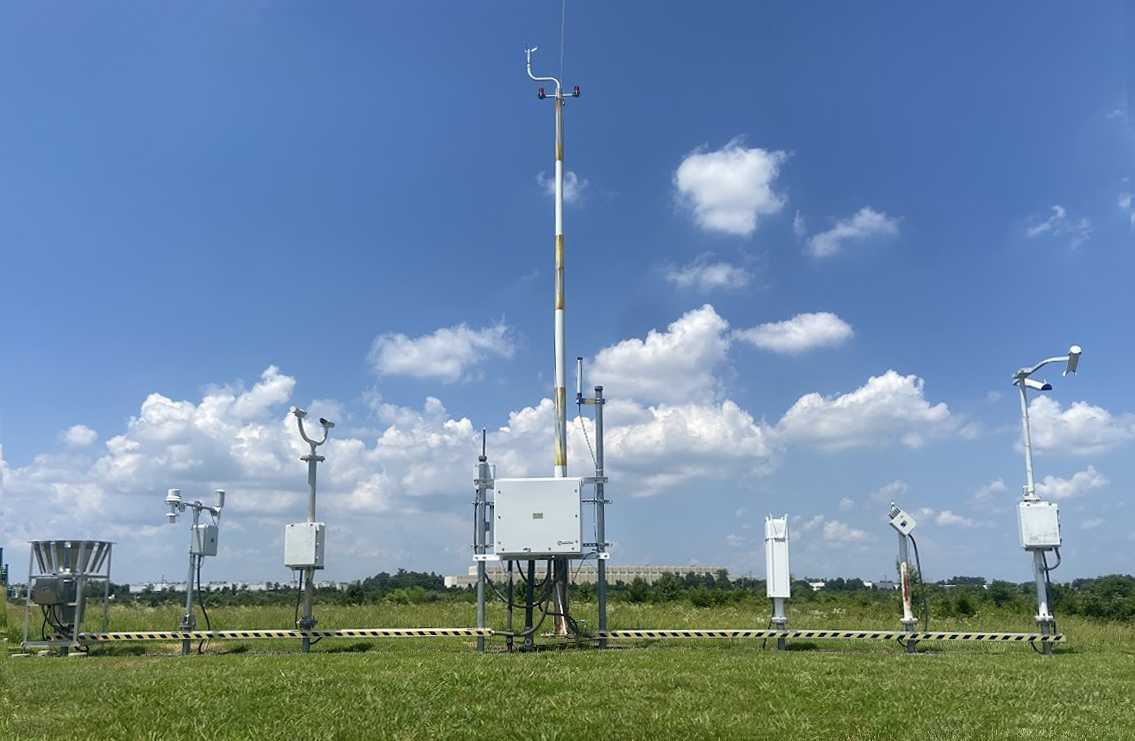

The FAA is moving forward with a new Surface Weather Status Dashboard that would allow pilots and other users to report problems with automated airport weather systems. In a Federal Register notice published Tuesday, the agency requested Office of Management and Budget approval to collect reports of outages and erroneous data from Automated Weather Observing Systems (AWOS) and Automated Surface Observing Systems (ASOS).
Reports Could Trigger Maintenance
The congressionally mandated dashboard will be hosted on the FAA’s existing Weather Cameras website. After a submitted problem is verified, the FAA plans to create a trouble ticket in its Remote Monitoring and Logging System so technicians from the FAA, NOAA or other responsible organizations can take corrective action.
“Anyone may use the publicly available webform via the FAA Aviation Weather Cameras website,” the FAA said.
Once a trouble ticket is entered, the agency says the website will display the service status of AWOS and ASOS stations within 30 minutes.
Comments Open Through Nov. 5
The FAA estimates users will submit about 1,825 reports annually and that each report will take approximately one minute to complete. Public comments on the information collection are due Nov. 5.
The dashboard would add system-status reporting to a website that already provides pilots access to weather cameras, METARs, TAFs, PIREPs and other weather information. The FAA has also been expanding its broader camera network, including new camera locations and Visual Weather Observation Systems that combine imagery with automated surface-weather sensors.


Good idea.
Years ago Transport Canada/Nav Canada had to straighten out contract weather reporters at small airports in northwest Canada.
Some were sloppy/lazy with basic data like temperature.
Pacific Western crews had some difficulty with reception of navaids in that area and southeast BC. Maintenance checked airplane equipment was OK.
Ace avionics engineer Don Morrison talked to some flight crew to get more details and establish specific locations, then called TC.
Who investigated and advised yes frequency was off, they needed to monitor or check more often.
(Don was proactive, got names of pilots from crew scheduling and called some at home. He may have flown one trip in the northwest region to observe first-hand.
Perhaps the trip that got weathered in north in High Arctic, he got up with flight crew every few hours to run APU for a while.)