















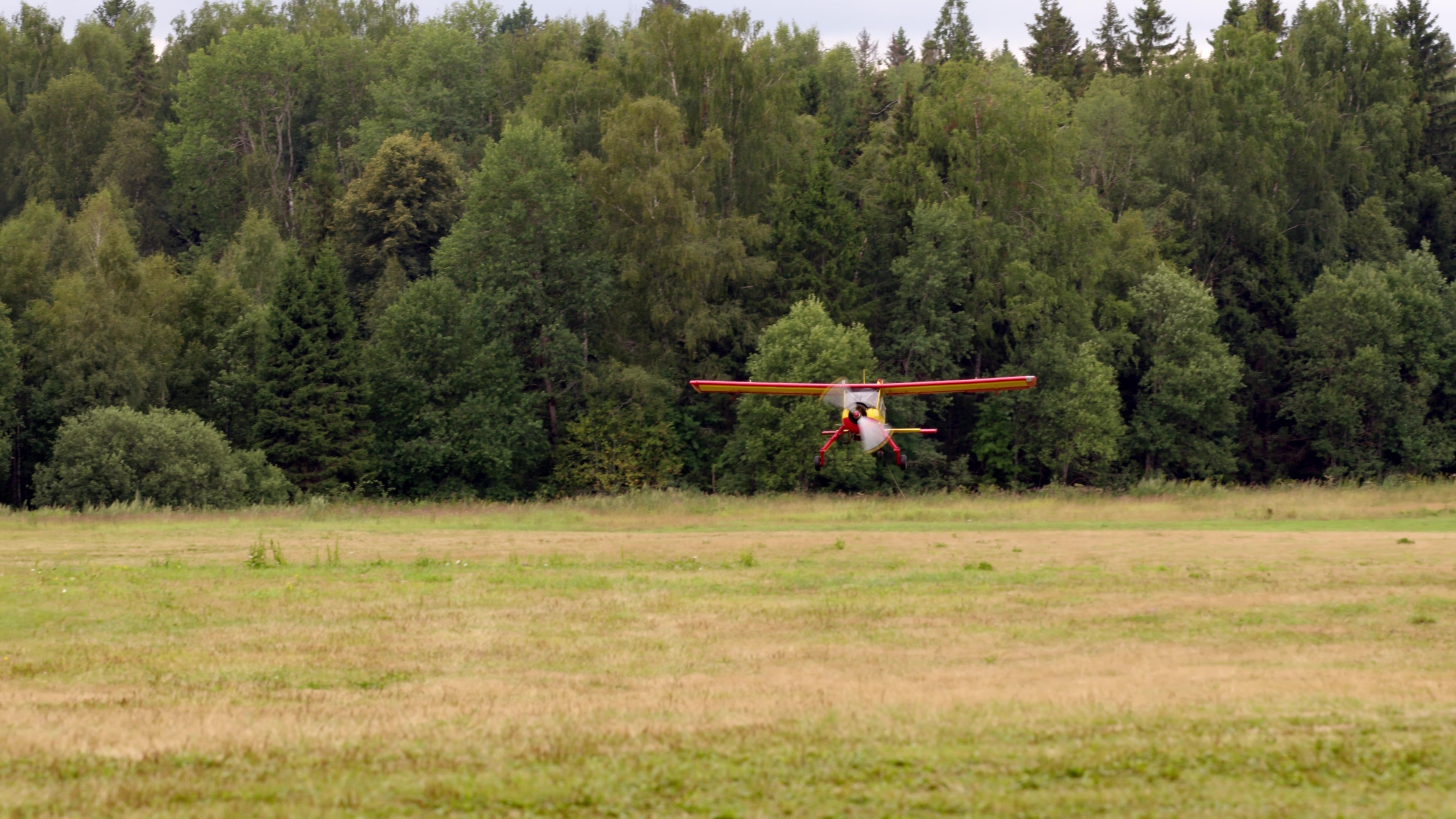

Louisiana approved new legislation that extends liability protection to owners and managers of private-use airports, a move aviation advocates say could encourage greater access to privately owned airfields across the state.
The measure, which takes effect Aug. 1, adds recreational aviation to Louisiana’s recreational use statute, limiting liability for owners or managers of nonpublic-use airports when they allow others to use their facilities for noncommercial aviation activities. Under state law, a nonpublic-use airport is one used primarily by its owner, with access granted at the owner’s discretion.
Supporters argue that liability concerns have long discouraged private airport owners from opening their runways to visiting pilots. By reducing that legal exposure, they believe the legislation could make more existing aviation infrastructure available without requiring new public investment.
The legislation was backed by the Recreational Aviation Foundation and Aircraft Owners and Pilots Association, whose representatives monitored the bill throughout the legislative process and worked with lawmakers in support of the measure. According to the Recreational Aviation Foundation, Louisiana becomes the 28th state to adopt aviation-specific language in a recreational use statute or provide similar liability protections for private airfield owners through state law.
Advocates say the change is particularly important for general aviation pilots seeking additional destinations and emergency alternatives, while also providing reassurance to landowners who have been reluctant to permit recreational flying activity on their properties. The RAF said it will continue working with other states to pursue similar liability protections for private airport owners.


That could really help people in remote areas.
Years ago a private airstrip on Salt Spring Island closed because of NIMBYs whining about noise and safety. On the other side of the island there was a crooked strip used only by its owner, the hospital does have a certified helipad managed by a commuter helicopter operator who has been operating BC’s air ambulance system for years.
(I don’t know what is happening s the ambulance contract shifts to another company. Helijet organized definition of several heliports and obtained Transport Canada approval - one is its Victoria BC passenger terminal, one is a large hospital in the Victoria area, a third is SSI hospitals (I don’t know who runs the heliport on Vancouver BC’s harbour). Obstructions have to be recognized of course, approach paths to SSI hospital are limited by trees and the hospital building.