














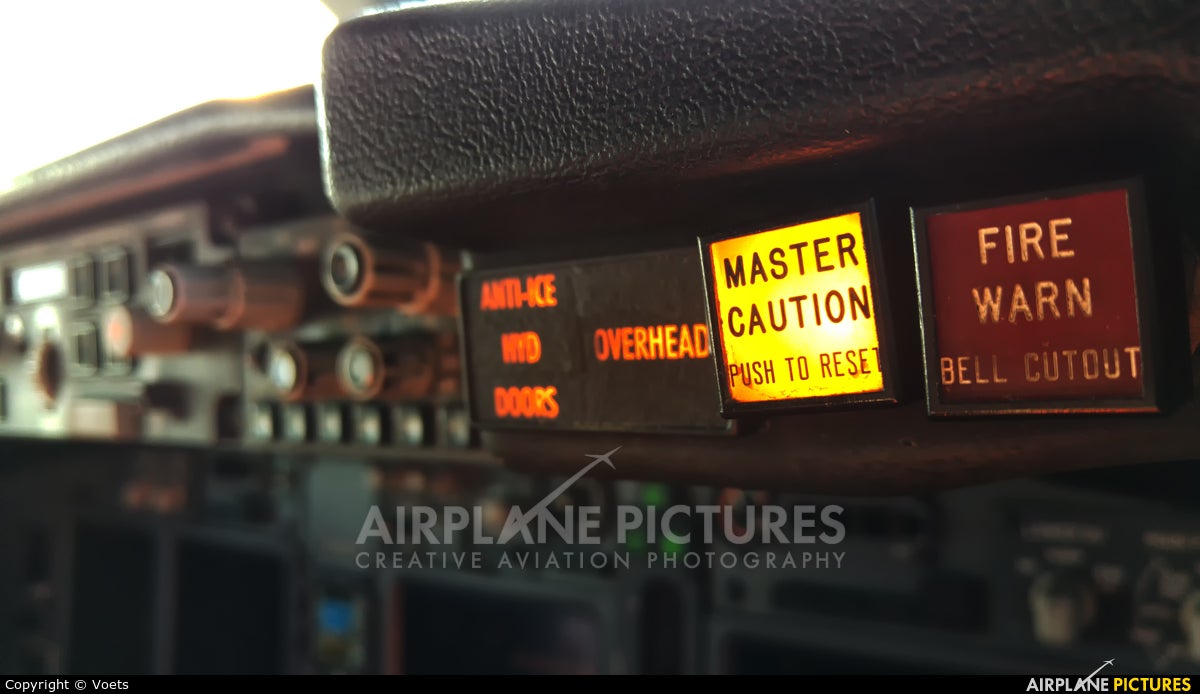

The Seattle Times is reporting a prominent lawmaker wants the certification of the latest models of the Boeing 737 MAX delayed until Boeing can bring the crew alerting system up to current standards. The 737 is the only Boeing product that has a decentralized malfunction warning system designed in the 1960s and it doesn’t meet certification requirements enacted two years ago. The system alerts pilots to a problem by activating a master caution warning. Pilots then have to hunt through various switch panels to figure out why the caution light came on. For more than 40 years, other airliners have used a system that uses a text message on a cockpit screen to tell pilots precisely what is wrong. The MAX 8 and 9 versions use the old system thanks to an exemption. If the 10 has a new setup then separate training will be required. Boeing says the upgrade could cost as much as $10 billion.
Rep. Peter DeFazio, D-Ore., chairman of the House Transportation Committee, says the MAX 10 should have the new system. “The FAA should side with safety and establish a high bar for the certification of the 737 MAX-10,” he said in a statement issued last week. Meanwhile, the Senate Commerce Committee, chaired by Sen. Maria Cantwell, D-Wash., has sent a proposal for a watered-down version of the up-to-date system, which its authors say could be employed on the 10 and be retrofitted on the models already flying, to the FAA and NTSB for review. They say it will cost less and create less disruption. The Times says Cantwell has said she will support the revised system if the FAA approves it.
