
















U.S. Marine Corps leadership released its 2026 Marine Corps Aviation Plan on Tuesday. The plan outlines priorities for the service’s readiness, modernization and future force development.
The service said that this iteration of the plan moves away from broad directives and toward “concrete, data-driven implementation,” particularly around capabilities supporting the Marine Air-Ground Task Force. The new plan also explores how the service can integrate artificial intelligence and machine learning into its aviation operations.
The plan attempts to balance near-term crisis response preparations with longer-term modernization efforts across its fleet, including fixed-wing, rotary-wing and unmanned aircraft platforms.
Central also to the plan is an expansion of the way AI and other data tools are used to support predictive maintenance, logistics and operational planning, along with a safety initiative known as “26 in 26” aimed at reducing aviation mishaps.
Distributed Aviation Operations is named as a core warfighting concept, which sees support equipment and personnel distributed across strategic expeditionary sites rather than concentrating them a few large bases. The plan also formally designates Aviation Ground Support as the service’s seventh aviation function.
“Project Eagle is the Marine Corps’ strategic blueprint for the future Aviation Combat Element,” Lt. Gen. William H. Swan, deputy commandant for aviation, wrote in the plan, adding that the strategy is designed to balance readiness with modernization.
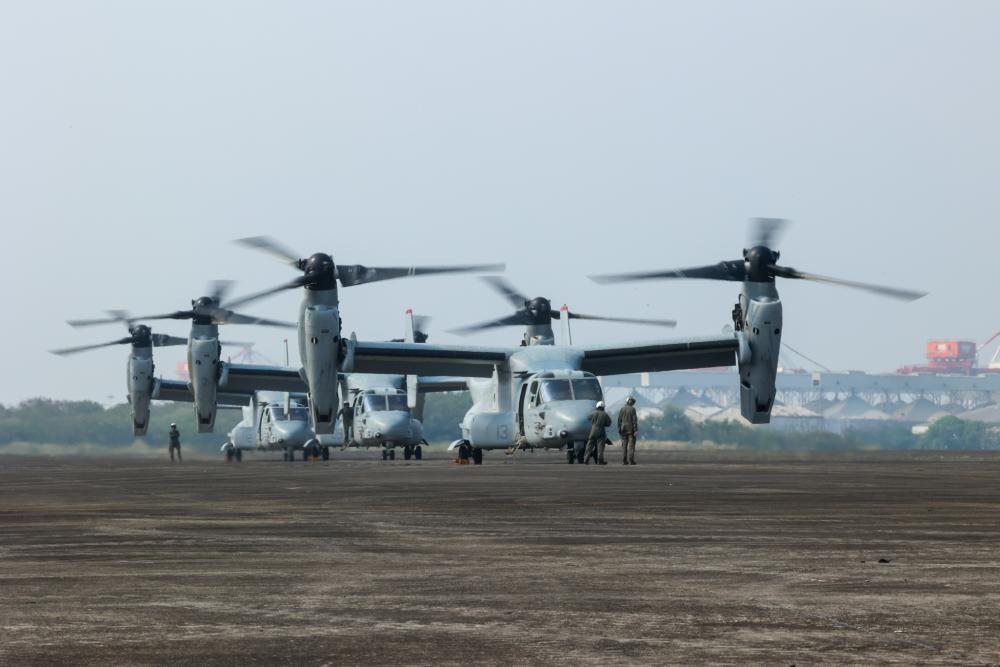
The plan includes roadmaps for future aircraft transitions and upgrades, including continued F-35 integration, CH-53K fielding, MV-22 and H-1 modernization and expansion of unmanned aircraft capabilities such as MQ-9A operations and manned-unmanned teaming.
The long-term strategy extends through future defense programs and into the 2040 timeframe.
“Marine Aviation must remain ready for combat today while aggressively modernizing for the threat environment of tomorrow,” the report said.


Zero detail. Fleet breakdown, numbers, new aircraft/capabilities, aircraft retiring. Zip.
Need for advancement of air assets is critical to effective combat support of troops on the ground.
Marines need to push for newer aircraft and better 24/7 operations thru more development with other services.