
















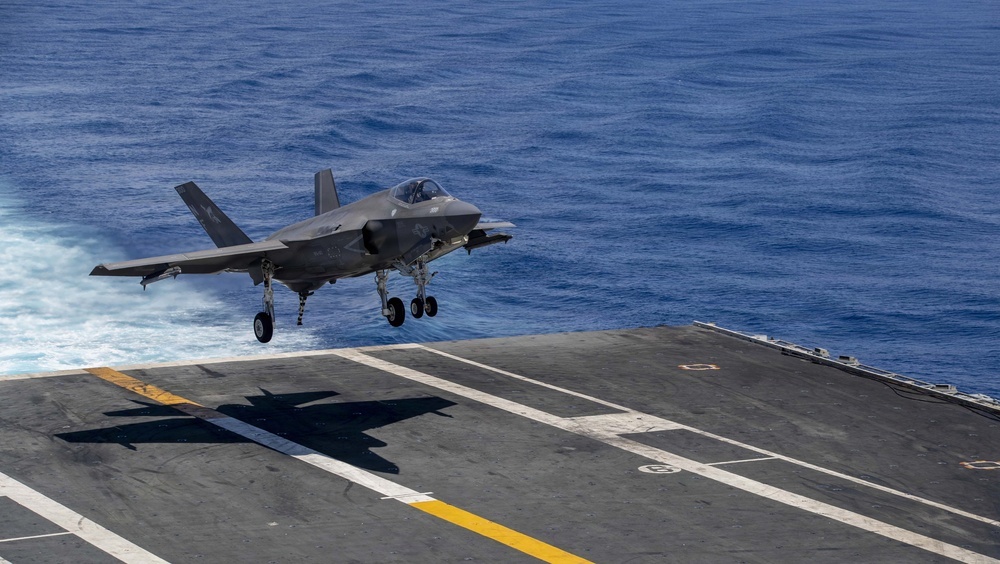

A House Oversight Committee report is calling for a comprehensive study of the long-term effects of high-G maneuvers, carrier launches, and arrested landings on Navy aviators, saying the service has not done enough to determine whether repeated exposure could cause cumulative brain injuries.
The report, released Tuesday, says senior Navy officials were alerted to mental-health concerns within the naval aviation community, including several pilot suicides, but did not launch a formal investigation into whether repeated exposure to the physical stresses of flying could have contributed to those problems.
The committee said the Navy has conducted extensive research into the immediate physiological effects of fighter aviation but has not adequately examined whether repeated exposure to high-G forces and carrier operations can cause cumulative brain injuries over an aviator’s career.
The investigation follows reports from current and former Navy pilots who described symptoms including headaches, mood changes and other neurological and mental-health problems. The committee also said pilots may be reluctant to seek treatment because they fear losing their flight status or damaging their careers.
The report highlights three Navy F/A-18 pilots who died by suicide within an 18-month period. The committee did not conclude that brain injuries caused the deaths, but said the cases raised questions that warranted further investigation.
The report also examines Project Odin’s Eye, a brain-health monitoring effort established at the Navy’s elite TOPGUN school. The program was designed to monitor cognitive health among aviators, but the committee said it was not expanded throughout the broader naval aviation community.
The committee is recommending that Congress require the Department of Defense to establish a comprehensive brain-health program for military aviators. It also wants the department to track exposure to events such as catapult launches and high-G maneuvers in aviators’ medical records.
The panel further recommended a long-term study following pilots throughout their careers and after they leave military service. According to the report, the Navy estimated that studying the brain health of about 1,000 pilots would cost approximately $3.9 million.
The committee said the study would provide data needed to determine whether repeated exposure to the demands of naval aviation is creating long-term health risks and identify ways to reduce those risks for military pilots.


Is this the first step to justifying unmanned fighter aircraft? Is Skynet coming?
While I endorse this concept to study the adverse physiological effects of Naval Aviation duties on pilots, this study is woefully short-sighted. There are myriad other carrier-based Navy personnel who need to be studied as well. For example, there are “back-seaters” (which includes WSO’s, RIO’s, Naval Aircrewmen (past & present), and other personnel involved in Naval Aviation.
Additionally, there are Navy personnel involved in flight deck duties that are exposed to a litany of hazardous conditions, e.g. radars that continuously sweep the flight deck; chemicals; extreme noise; exhaust gasses, etc..
Therefore I strongly advocate a robust study of ALL Naval Aviation flight/flightdeck personnel!!!