















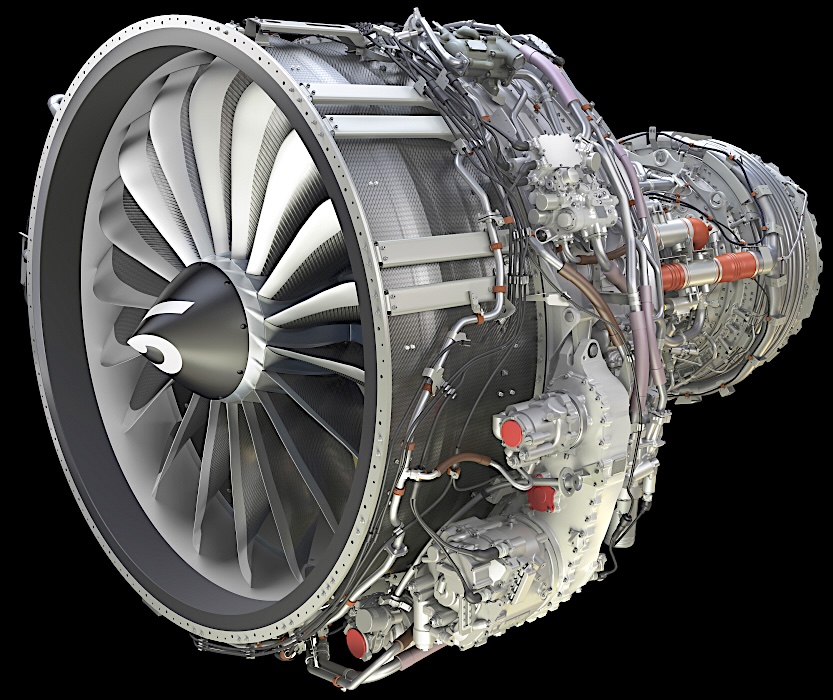

The National Transportation Safety Board issued an urgent warning last week related to a safety issue involving CFM’s LEAP-1B engines, while suggesting that the -1A and -1C versions of the high-bypass turbofan also be evaluated. LEAP-1 engines are used on the Boeing 737 MAX and some single-aisle Airbus A320neo (new engine option) airliners.
The safety issue involves the potential of introducing smoke to either the cabin, the flight deck or both in the event the engine Load Reduction Device (LRD) is triggered, often due to a bird strike or other incident that compromises the fan blades. There have been two instances of that happening recently.
The LRD consists of shear pins that break off and separate the fan disk from its shaft in event of dangerous vibration, such as when a bird damages a fan causing an imbalance. The engine’s oil supply is adjacent to the shaft, which is likely to generate smoke when the LRD is triggered.
The fresh air bleed system is also located nearby the oil supply. Emergency procedures call for disabling the fresh air bleed system, but those procedures were found to be ambiguous and shutting down the system has been moved up on the list of action items. The NTSB warning, prompted at least in part by urging from some airline pilots, is meant to ensure that all pilots are aware of the changes in emergency procedures.
Earlier this year, the FAA called upon operators in a statement “to reinforce the importance of several factors. These include evaluating their procedures and crew training to ensure they address this important issue, and evaluating whether training simulators are producing the correct response to an engine failure that would trigger the Load Reduction Device.”
The FAA also said it would require operators to implement further changes once the engine manufacturer “develops a permanent mitigation” for the problem.


What phenomenal engineering-when you have massive engine damage you get the added bonus of toxic pyrolized oil filling the cabin. And since the cabin pressure won’t change, the O2 masks stay safely tucked away, yet another money-saving feature for the budget conscious airline.
They are not pressure masks, they will not help in a smoke environment.
I would argue this is a non-issue. What happens if an older engine takes a bird strike, doesn’t have any sheer pins, so keeps spinning N1? Extreme vibration, the engine comes apart, and lights on fire. This can suck smoke into the cabin. It’s common practice to cut the bleeds on a dead engine. The only thing that needed clarification here is that although the Leap engines should die after a bird strike, they actually refuse to and keep running instead, in this case you should still cut the bleeds from your severely damaged, but not quite dead engine. Again, this would normally be common practice anyway, they just moved it up the QRH to higher priority.