














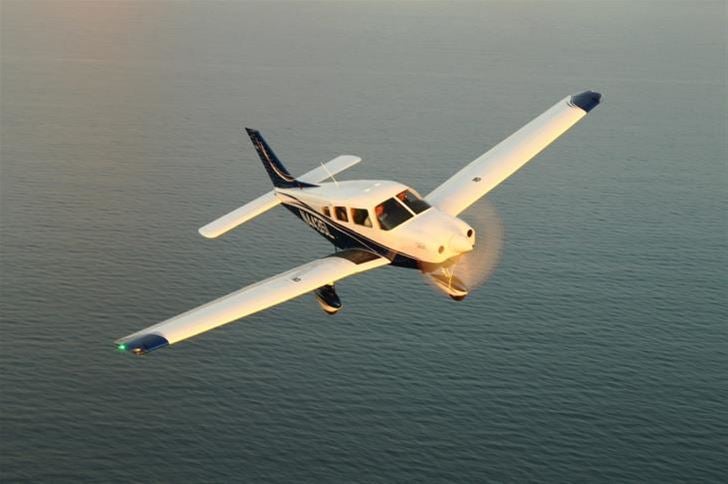

Piper has produced its first production part using additive manufacturing—more commonly known as 3D printing—according to a company announcement last week. The part, a climate control system component, was printed using an HP Multi Jet Fusion 4200 3D printer. Piper says it is currently focusing on creating and testing non-flight-critical components with the goal of achieving FAA approval and expanding the use of 3D printing in aircraft manufacturing.
“By being able to print parts and components on site rather than purchasing them from suppliers, we can create parts on demand, control quality, increase our speed from engineering to manufacturing, and focus on building the aircraft,” said Piper Aircraft CEO Simon Caldecott. “With our recent implementation of HP Multi Jet Fusion technology, we have saved hundreds of hours of work time, which has resulted in savings of up to 200% on certain parts.”
Piper’s additive manufacturing center was established in the third quarter (Q3) of 2018. The company says it has been working to identify aircraft parts that can be produced using additive manufacturing technology since late that year.
