














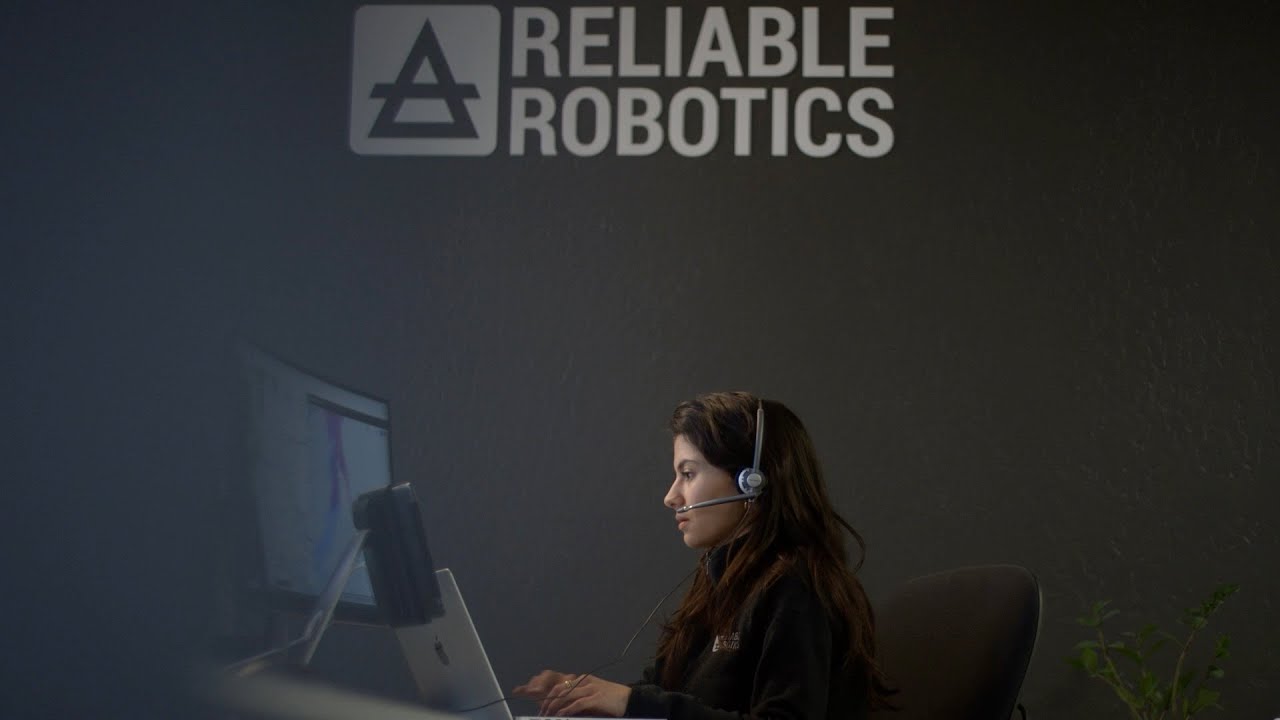

The FAA has approved Reliable Robotics process to certify a system designed to turn a variety of aircraft into remotely piloted vehicles. Rather than concentrate on the airframe, the company is instead working on the technology to apply remotely operated flight systems to existing aircraft. Its initial testbed has been a Cessna Caravan but the company is proposing making the tech scalable to the point where the Air Force wants them to design a system for its ancient fleet of steam guage KC-135 tanker/cargo aircraft.
Company founder Robert Rose told Reuters he doesn’t want to own the aircraft but rather license the tech to allow aviation companies to adapt the platforms they find most useful. “We want to be on multiple aircraft frames (and) sell into multiple markets,” he said, noting there’s considerable work to do now that the FAA has approved the concept for testing. “We’re three to four years out from being able to remotely operate these aircraft at any kind of reasonable scale,” he said. He also said he expects to see his gear on passenger aircraft before the end of the decade.
But he also stresses that the aim is not to take the human pilot out of the picture but rather station him or her safely on the ground. “We think it’s crucially important there be a remote pilot in the operation to manage the flight plan and the flight path to allow that aircraft to integrate seamlessly into the airspace,” Rose said. The pilot will, however, have powerful computer systems keeping tabs on aircraft systems and reacting instantly to correct problems, thus greatly enhancing safety.
