
















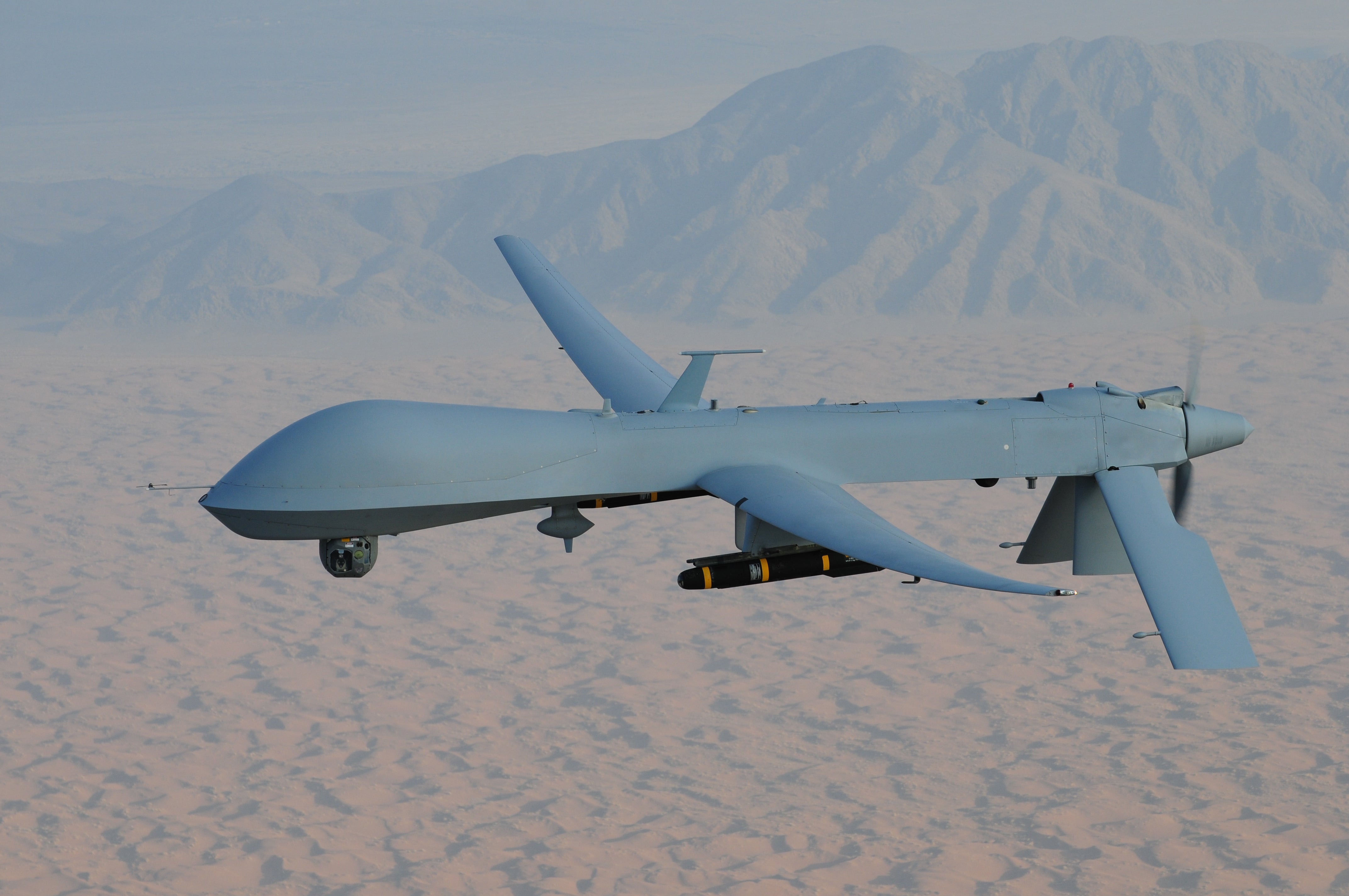
More than 400 large U.S. military drones have crashed in major accidents around the world since 2001, a record of calamity that exposes the potential dangers of throwing open American skies to drone traffic, according to a yearlong Washington Post investigation. Since the outbreak of the wars in Afghanistan and Iraq, military drones have malfunctioned in myriad ways, plummeting from the sky because of mechanical breakdowns, human error, bad weather and other reasons, according to more than 50,000 pages of accident investigation reports and other records obtained by The Post under the Freedom of Information Act.
Defense Department officials said they are confident in the reliability of their drones. Most of the crashes occurred in war, they emphasized, under harsh conditions unlikely to be replicated in the United States. Military statistics show the vast majority of flights go smoothly and that mishap rates have steadily declined over the past decade. Officials acknowledge, however, that drones will never be as safe as commercial jetliners. The Posts analysis of accident records shows that the military and drone manufacturers have yet to overcome some fundamental safety hurdles: 1) A limited ability to detect and avoid trouble. Cameras and high-tech sensors on a drone cannot fully replace a pilots eyes and ears and nose in the cockpit. 2) Pilot error. Despite popular perception, flying a drone is trickier than playing a video game. 3) Persistent mechanical defects. Some drones were designed without backup safety features and rushed to war without extensive testing. 4)Unreliable communications links. Drones are dependent on wireless connections that can be fragile. Records show that links were disrupted or lost in more than a quarter of the worst crashes.

