

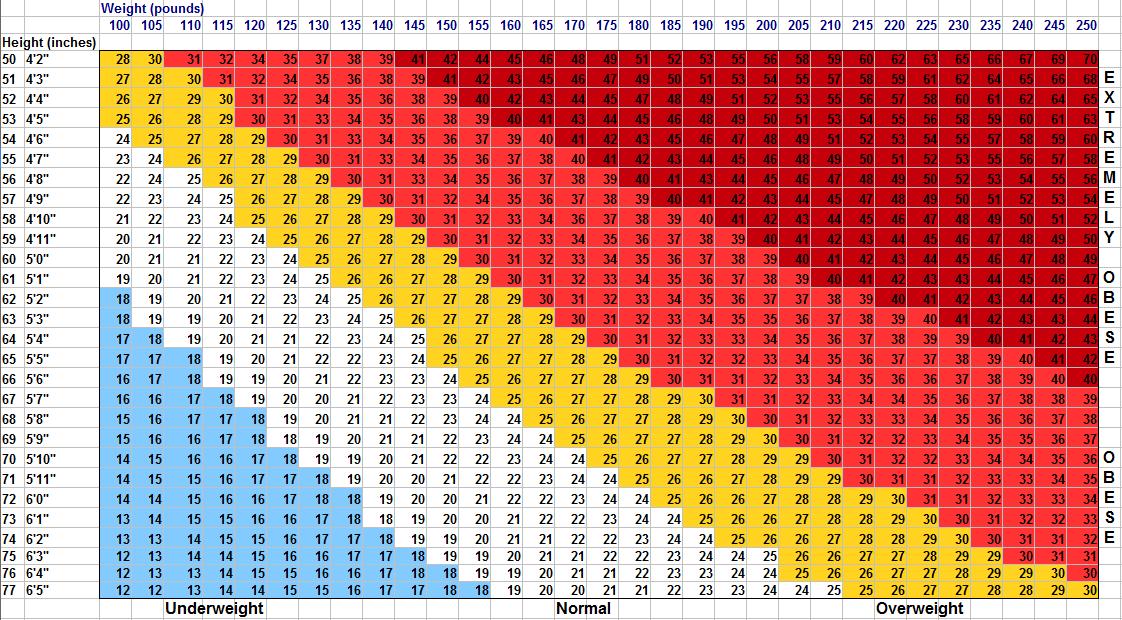
The FAA is moving ahead with implementation of mandatory screening and tests (apparently regardless of widely reported objections) for obstructive sleep apnea in pilots with a body mass index (BMI) of 40 or higher, the agency said Thursday. Individuals are typically categorized as obese by current BMI charts if they score a number higher than 30. AOPA, EAA, the Civil Aviation Medical Association and members of the U.S. House of Representatives are among those who have requested the FAA make substantive changes to lessen the impact of its new sleep apnea policy. The FAA would require additional medical evaluations for those pilots determined to be outside of the FAAs safe (under 40 BMI) range. Pilots scoring 40 or higher would have 60 days to receive an evaluation or have their medical certificate disqualified.
The FAA categorizes more than 120,000 pilots with a BMI of greater than 30 as obese, according to AOPA, and 5,000 pilots have a BMI of 40 or greater. Some objections to the FAAs new policy say it forces AMEs to employ predictive medicine. Others are concerned with the potential backlog it will add to an existing backlog for special issuance medicals. Many objections, including recommendations from the House, aim to push the FAAs policy change through the normal rulemaking process, to allow for public input. The FAA has stated that its new approach to sleep apnea screening is a process enhancement, not a policy change, and therefore does not need to be subjected to the normal rulemaking process. AOPA has already followed up with further objections. The Civil Aviation Medical Association, which represents FAA aviation medical examiners, wrote in a formal letter to the FAA sent earlier this month, Education of the many would have far greater public health impact than regulation of the few.