














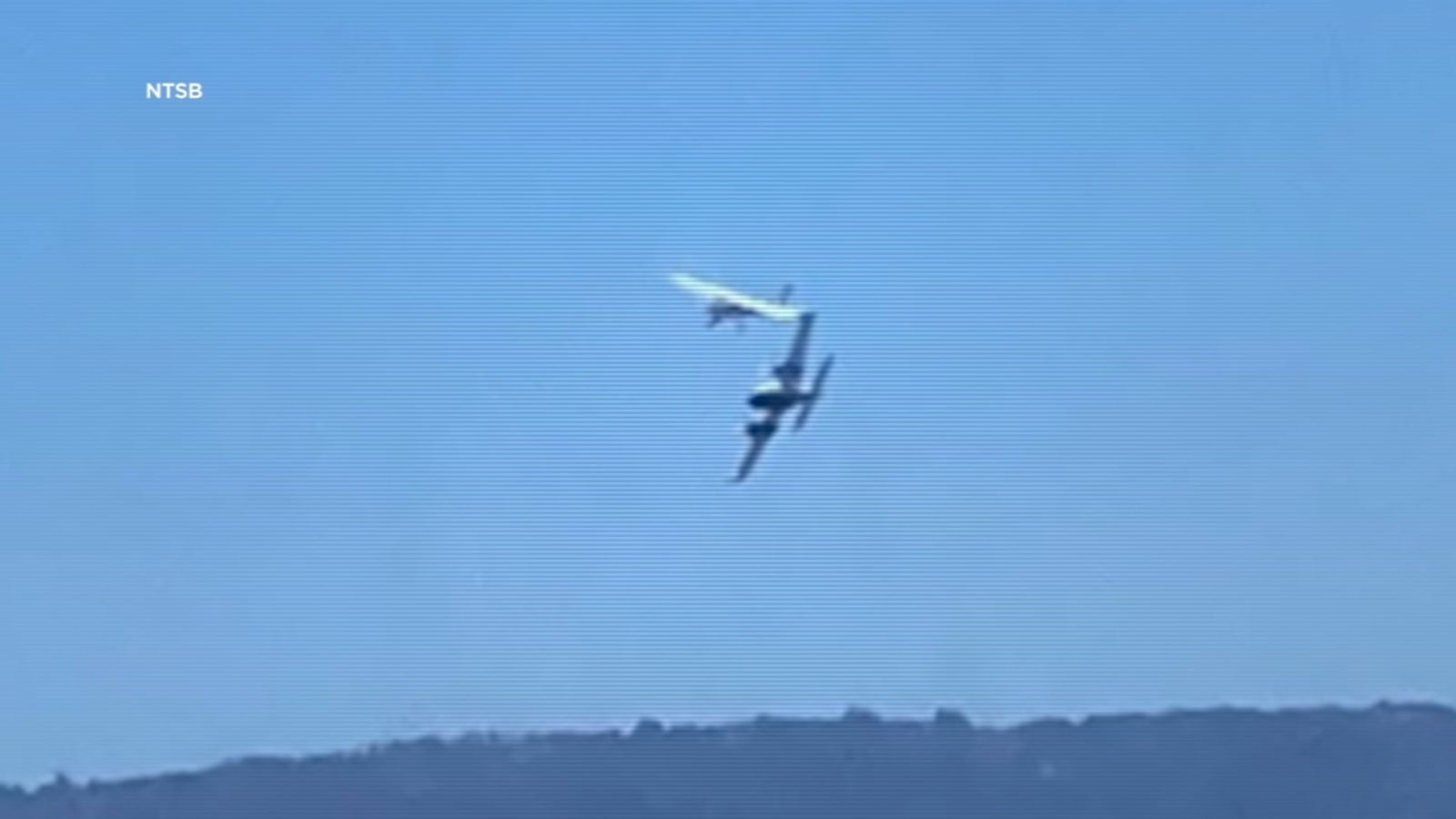

The FAA has published a reminder to all pilots to lift their heads from the electronics when circumstances demand. The agency issued an advisory circular on Friday laying out all the regs that mention see and avoid as fundamental to the pilot’s role in preventing midair collisions. “The most advanced piece of flight equipment in any aircraft is the human eye, and since the number one cause of midair collisions is the failure to adhere to the see-and-avoid concept, efficient use of visual techniques and knowledge of the eye’s limitations will help pilots avoid collisions,” the AC says.
The AC comes after a number of high-profile midairs all over the U.S. in recent years in VFR, but the publication uses Alaska air tour accidents as examples. The AC contains a comprehensive list of regulations, studies and supporting information to buttress the see-and-avoid fundamental. “When weather conditions permit, pilots operating IFR or VFR are required to observe and maneuver to avoid other aircraft (refer to § 91.113 for right-of-way rules),” the AC notes.
