















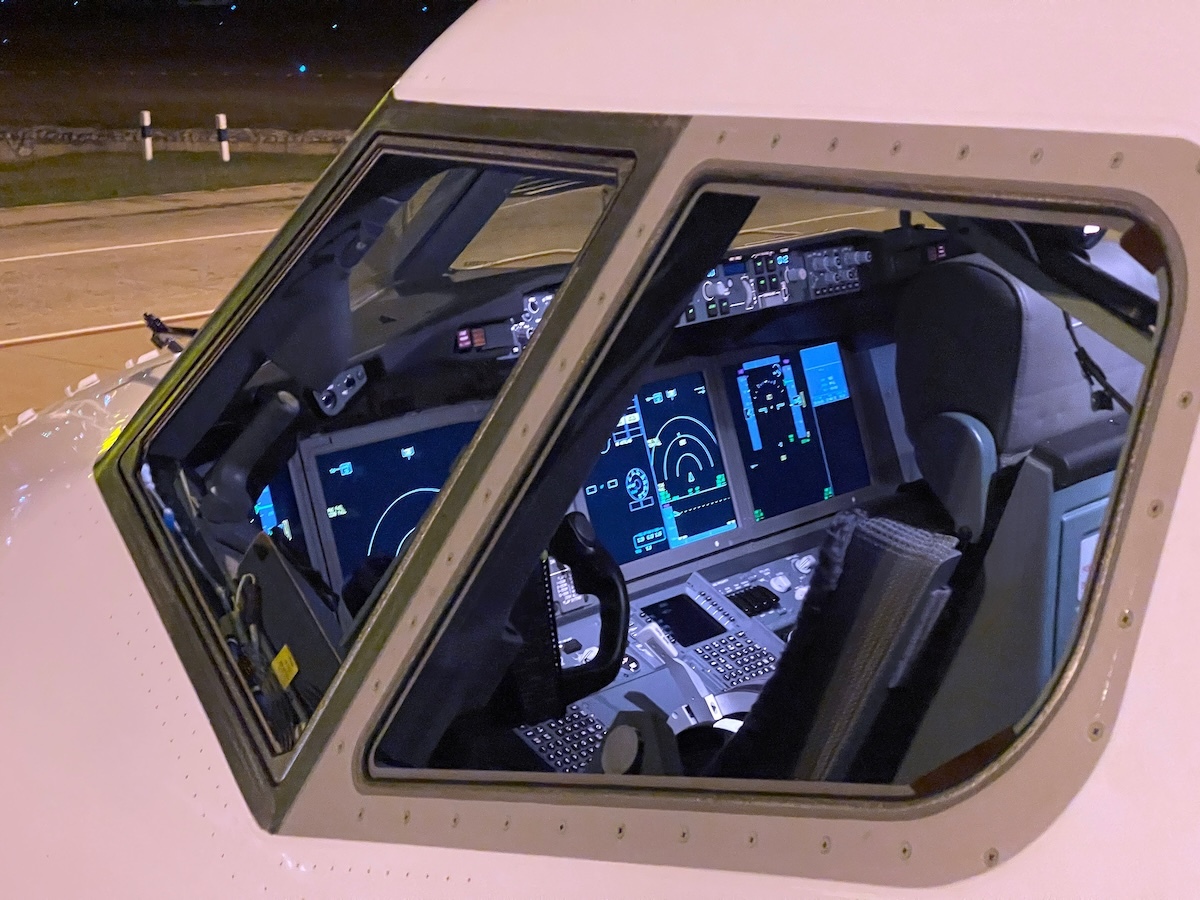

The National Transportation Safety Board has issued three recommendations aimed at improving pilot training for smoke-in-cockpit emergencies, following a 2023 incident involving a Southwest Airlines Boeing 737-8 departing New Orleans.
According to the NTSB, Southwest flight 554 had just taken off from Louis Armstrong New Orleans International Airport on Dec. 20, 2023, when a bird was ingested into the aircraft’s left engine and smoke quickly entered the cockpit. The crew reported that visibility deteriorated within seconds, making it difficult to see instruments and checklist items. The pilots donned oxygen masks, declared an emergency, completed emergency procedures and returned to the airport. None of the 139 people on board were injured.
“If such an event occurred at night or in instrument meteorological conditions, the consequences could be catastrophic,” the NTSB determined.
The agency said current airline training may not fully prepare pilots for the workload, stress, reduced visibility and time-sensitive decision-making involved in an actual smoke event. The NTSB recommended that the FAA work with industry to develop standardized, realistic smoke-in-cockpit simulator training and incorporate it into airline training program guidance. It also recommended that Airlines for America and the Regional Airline Association share information from the Southwest incident with member airlines and encourage the use of realistic smoke-event simulations.


0 replies