














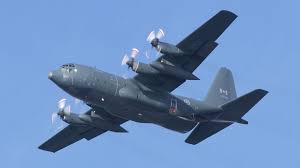

Canadian Aviator Magazine is reporting that Canadian military search and rescue aircraft are being equipped with devices that can track cellphones carried by pilots and passengers. The equipment used by the Canadian Airborne Sensor for Search and Rescue system detects the cell tower interrogation signals emitted by cellphones. The system has been installed in CC-130H aircraft that are dedicated to search and rescue response. According to a summary released by Canada’s Department of National Defence, the system “essentially mimics a cellphone tower to capture location and other information from an operating cellphone.” Conversations cannot be monitored. Phones have to be on, with a live battery and not on airplane mode, and once detected it’s easy to home in and find the phone.
The gear has been available for several years, but the department did an exhaustive analysis of the privacy concerns that naturally arise from this kind of surveillance ability. Any operating cellphone can be tracked by the system from the air and that prompted a Privacy Impact Assessment under the country’s Privacy Act. “Based on the results of the PIA, privacy risks arising from the collection, use, disclosure, and retention of personal information using the CASSAR system are expected to be low,” the report said. In exchange, the system will save lives, say military commanders. “With such a vast area [as Canada], an enabling technology like the CASSAR system augments the existing search and rescue capability, reduces search time, and improves outcomes; a positive addition to search and rescue operations,” said Lieutenant-General Steve Boivin of Canadian Joint Operations Command.
