














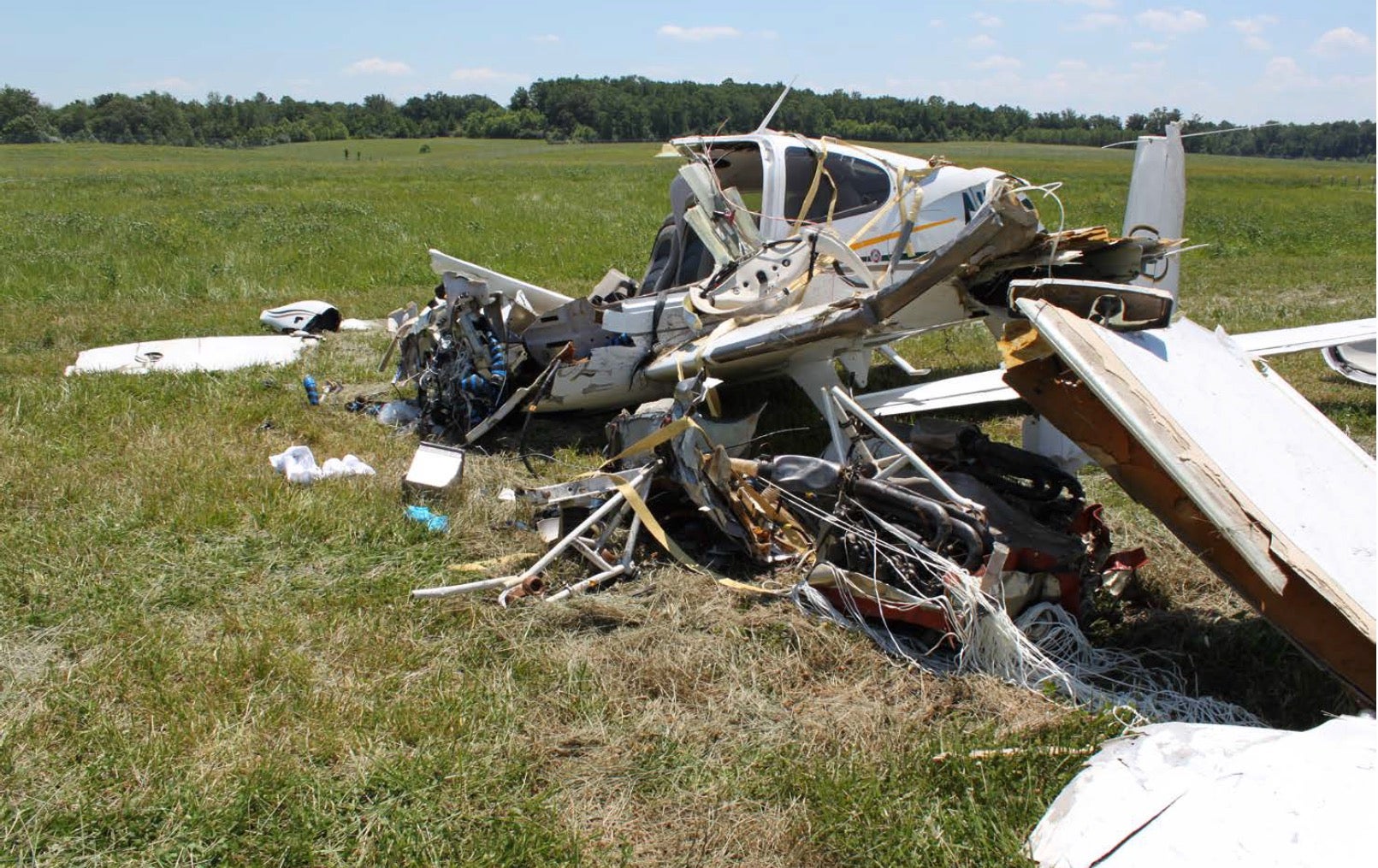

Despite stall awareness training and more technology designed to help pilots avoid them, stalls are still a significant factor in accidents. But in this podcast, the last of our five-part series on the topic, veteran instructor Wayman Luy says stall training is getting better.
“What we’re doing right is doing scenario-based training. And the newer airman certification standards are driving us not just toward what a stall is but circumstances that could get us into it,” Luy says. “That’s helping quite a bit. The other thing is that because of the airline industry, instructors are flying a lot more hours per month on the way to the 1500 hours [for the ATP] and that makes the instructors more proficient,” he adds.
That said, Luy, who operates the Florida-based Wayman Aviation, believes an over emphasis on soloing early complicates the comfort level new pilots should have with understanding, avoiding and recognizing stalls. He believes a better way to address such training is a concentrated emphasis on stall awareness later in the training curriculum. And like Trip Taylor, who we interviewed in this podcast, he believes more emphasis on go arounds is just as important.
“We don’t practice enough go arounds. I find that pilots who fly for fun or professionally, are a little hesitant to do go arounds. If we’re not practicing go arounds where we’re reconfiguring the aircraft while on the go, it’s relatively easy to lose track of the airplane and that’s when we’re getting into an upset condition,” Luy says.
Other podcasts in this series include Richard McSpadden of the AOPA Air Safety Institute, Dan Gryder of GoldSeal Flight Instructors and Rich Stowell, a nationally known expert on spins.
