
















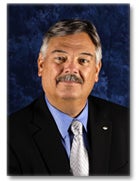
Regional airlines focus too much on the bottom line at the expense of safety, according to John Prater, president of the Air Line Pilots Association, who testified before the House Aviation Subcommittee on Wednesday during an examination of commuter airline safety. Among the worst of the airline practices are punitive policies that discourage pilots from refusing to fly if they are sick or fatigued, he said. Managers at some commuter airlines “are insisting they’re going to beat their pilots into submission,” Prater told the panel, according to The Wall Street Journal. Roger Cohen, head of the Regional Airline Association, told the panel that he didn’t know of any cases when pilots were punished for calling in sick. The purpose of the hearing was to follow up on the industry’s response to the fatal crash of a Colgan Air Dash-8 in Buffalo in February, in which 50 people died. Besides Prater and Cohen, the panel heard from FAA Administrator Randy Babbitt; Air Transport Association President James May; John Loftus, representing the families of the people who died; Tim Brady of Embry-Riddle Aeronautical University, and Jeff Skiles, vice president of the Coalition of Airline Pilots Associations. Their written testimony and a video of the hearing are available online.
Babbitt reported on the FAA’s Call to Action initiatives, which included a series of forums held in 12 cities around the country. Prater said the FAA has asked for “commitments” from airlines to improve safety, but compliance is voluntary, with no deadlines and no follow-up. He asked the panel to support new rulemaking that would mandate stiffer requirements for pilot hiring and training and address fatigue issues. Babbitt said the FAA will issue a final report on its efforts to enhance safety by the end of this year. In the end, he said, the biggest factor affecting safety is professionalism in the workplace. “Unfortunately … we cannot regulate professionalism,” he said. “No matter how many rules, regulations, advisories, mandatory training sessions, voluntary training sessions, it still comes down to the individual — the individual pilot, mechanic, technician, or controller.”

