
















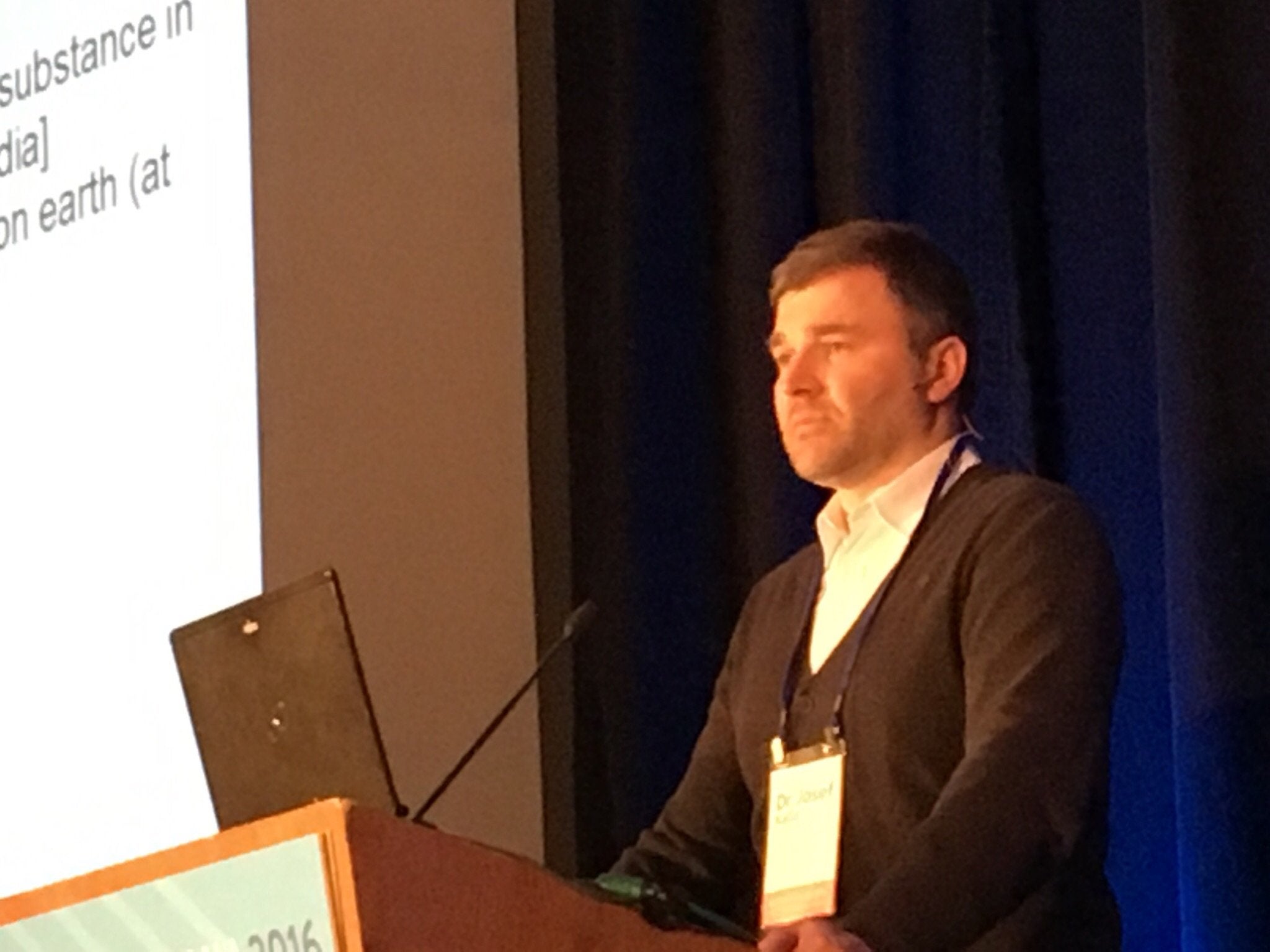
Hydrogen fuel cells have long been discussed as a potential power source for vehicles, including aircraft, and researchers at the German aerospace center, the DLR, believe that technical barriers can be overcome in the near term to make hydrogen a practical fuel source. Speaking at the first annual Sustainable Aviation Foundation symposium in Redwood City, California, this week, the DLR’s Josef Kallo told attendees that research on practical hydrogen cells is much further along than many people realize. In this exclusive AVweb podcast, Kallo explained some of the DLR’s research projects. Listen to a podcast interview here.
“Our first goal now is to show that the functionality of the fuel cell can be used for aircraft propulsion and our next project, HY4, will show that it’s possible to have four people on board and travel with hydrogen in an airplane,” Kallo said. As for obtaining hydrogen, Kallo says DLR’s work suggests it can be economically reformed from abundant natural gas or from electrolysis of water.
Kallo said hydrogen cells in use now are capable of about 50 to 52 percent efficiency and that this will improve with coming generations of cells. Energy density of research cells is about 450 wh/kg, more than twice what the best lithium-ion batteries are capable of. One of the interesting projects Kallo described was a fuel-cell powered nosewheel taxi motor for an Airbus A320, which was demonstrated in 2012. The goal was to save fuel by taxiing under hydrogen power to the runway before starting less-efficient turbofan engines. Kallo said the DLR believes hydrogen fuel is practical for small aircraft now and could be for airplanes up to 19 seats within 10 years.

